
Lions are iconic big cats known for their majestic appearance, powerful roars, and impressive hunting prowess. Here are some of the most interesting facts about lions:
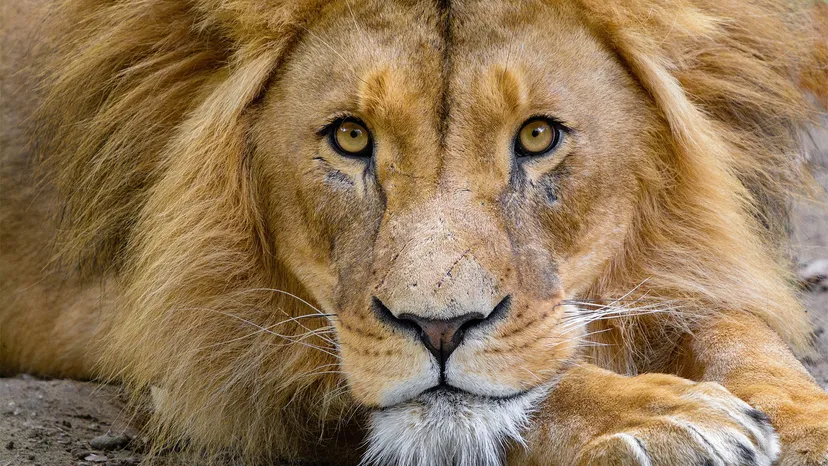
- Social Cats: Lions are the only truly social cats, living in groups called prides. A pride typically consists of related females, their offspring, and a coalition of one or more dominant males known as the pride’s “king(s).”
- Territorial Behavior: Lions are territorial animals, and prides defend their territory from intruders. A pride’s territory can range from a few square kilometers to several hundred square kilometers, depending on factors such as prey availability and habitat quality.
- Roaring Vocalizations: Lions are known for their powerful roars, which can be heard over long distances and serve to communicate with other pride members, advertise territory, and intimidate rivals. Male lions have the loudest and most resonant roars among the big cats.
- Dimorphic Males: Male lions are significantly larger and heavier than females, with a distinctive mane of hair around their neck and head. The main serves as a visual display of male dominance and can vary in color and size depending on genetics, age, and environmental factors.
- Nocturnal Hunters: Lions are primarily nocturnal hunters, with peak activity occurring during the early evening and early morning hours. They rely on stealth and teamwork to ambush and overpower prey, which can include a wide range of mammals such as wildebeest, zebra, and buffalo.
- Female Dominance in Hunting: While male lions are larger and more intimidating, females are the primary hunters within the pride. Lionesses work together in coordinated attacks to bring down large prey, relying on teamwork and strategy to succeed.
- Fast Runners: Despite their size, lions are capable of impressive bursts of speed, reaching speeds of up to 50 miles per hour (80 kilometers per hour) in short sprints. This agility and speed are essential for capturing prey and avoiding danger.
- Cubs and Cub-Rearing: Lionesses give birth to a litter of cubs, usually ranging from one to six individuals. Cubs are raised collectively within the pride, with all females contributing to their care, protection, and education. Lionesses often nurse each other’s cubs and teach them essential hunting and survival skills.
- Endangered Status: Lions face numerous threats in the wild, including habitat loss, human-wildlife conflict, poaching, and depletion of prey populations. As a result, lion populations have declined significantly in recent decades, and they are classified as vulnerable by the International Union for Conservation of Nature (IUCN).
- Cultural Significance: Lions hold significant cultural and symbolic importance in many cultures and societies around the world. They are often depicted as symbols of strength, courage, and royalty, appearing in myths, legends, and heraldry throughout history.
These fascinating facts highlight the unique characteristics and behavior of lions, underscoring their importance as iconic symbols of the African savanna and the need for conservation efforts to protect their populations and habitats.
What is the best time to go to lions trekking in Uganda?
As of my last update, lion trekking is not a common tourist activity in Uganda or other destinations due to ethical and safety concerns associated with interacting with captive lions. However, if you’re interested in observing lions in their natural habitat, Uganda offers opportunities for wildlife safaris in national parks and reserves where lions can be found.
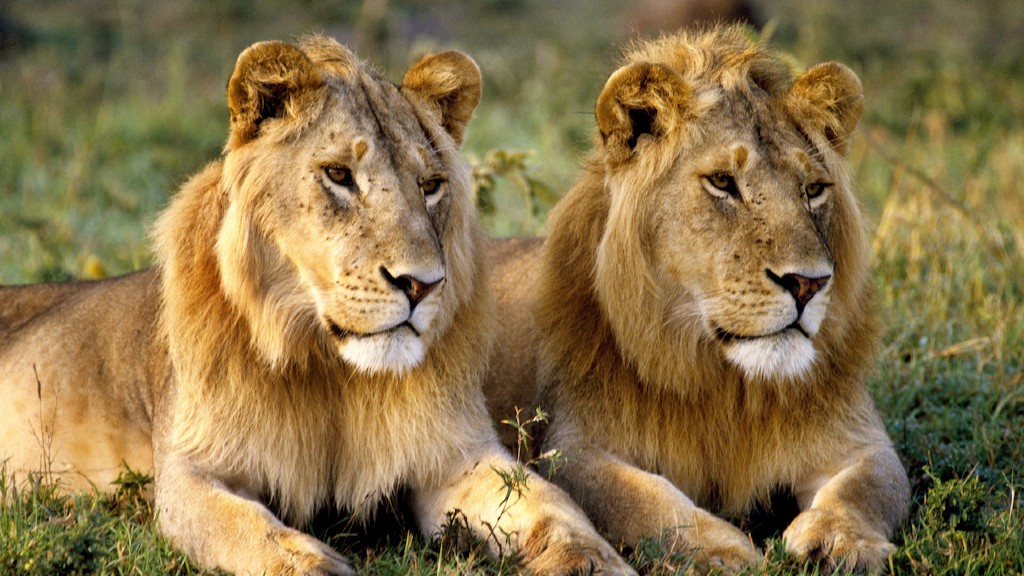
The best time to go on a wildlife safari, including lion viewing, in Uganda generally depends on the dry and wet seasons, which influence wildlife movements, vegetation density, and accessibility to certain areas. The dry season, which typically occurs from June to August and December to February, is generally considered the best time for wildlife viewing, including lions, due to the following reasons:
- Sparse Vegetation: During the dry season, vegetation is less dense, making it easier to spot wildlife, including lions, as they congregate around water sources and open plains.
- Water Sources: As water sources become scarce in the dry season, wildlife, including lions, are more likely to gather around permanent water sources such as rivers, lakes, and watering holes, increasing the chances of sightings.
- Mating and Births: The dry season coincides with the mating season for many animals, including lions, leading to increased activity and opportunities for observing courtship behaviors and interactions. Additionally, the dry season is also a time when herbivores give birth to their young, attracting predators like lions to hunting areas.
- Weather: The dry season typically offers pleasant weather with sunny skies and lower chances of rain, providing optimal conditions for outdoor wildlife viewing activities such as game drives and guided safaris.
However, it’s important to note that wildlife sightings are never guaranteed, and factors such as animal behavior, migration patterns, and local conditions can influence the likelihood of lion sightings during any time of the year.
Before planning your trip to Uganda for wildlife viewing, including lion spotting, it’s recommended to research the specific national parks or reserves known for lion populations, consult with local tour operators or guides, and consider factors such as weather, wildlife movements, and park regulations to optimize your safari experience.
Why should l go to lions trekking.
It’s important to note that “lion trekking” as a tourist activity is not commonly offered or recommended due to various ethical and safety concerns. Unlike activities such as gorilla trekking or elephant safaris, where visitors observe animals in their natural habitats with minimal disturbance, lion trekking typically involves interactions with captive lions in controlled environments, such as wildlife parks, sanctuaries, or private reserves.
However, interacting with captive lions, particularly through activities like lion trekking or lion walks, can have significant ethical implications and negative consequences for both the lions and humans involved. Here are some reasons why lion trekking is not recommended:
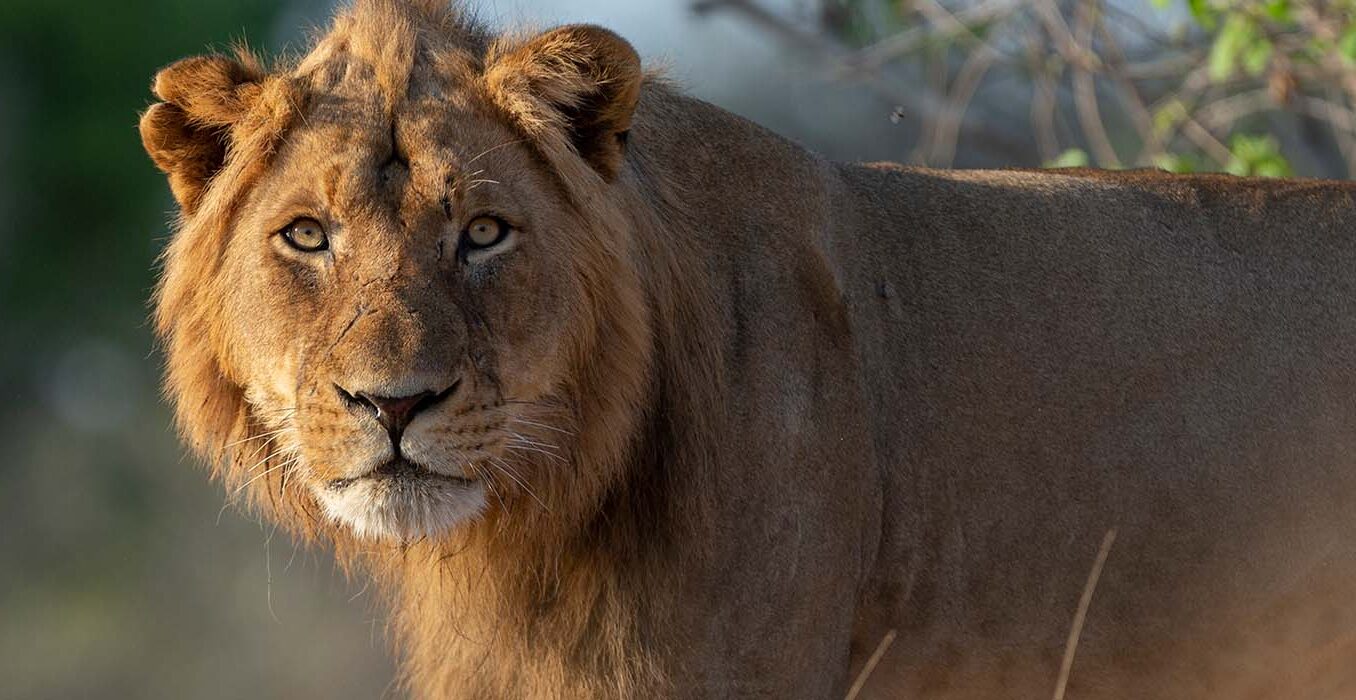
- Animal Welfare Concerns: Captive lion encounters often involve breeding and raising lions in captivity solely for tourism purposes, which can lead to welfare issues such as stress, confinement, unnatural behavior, and inadequate living conditions.
- Safety Risks: Lions are wild animals with unpredictable behavior, and close encounters with captive lions can pose safety risks to both visitors and the animals themselves. Even lions raised in captivity retain their wild instincts and can potentially injure or harm humans.
- Conservation Ethical Concerns: Supporting facilities that offer lion trekking or similar activities can perpetuate the captive breeding industry and contribute to the exploitation of lions for profit. This can undermine conservation efforts aimed at protecting wild lion populations and their natural habitats.
- Misleading Conservation Claims: Some facilities that offer lion trekking or similar activities may claim to be involved in conservation or rehabilitation efforts. However, in many cases, these claims may be misleading, and the primary focus may be on commercial tourism rather than genuine conservation.
Instead of participating in lion trekking or similar activities, consider alternative ways to experience and support lion conservation and welfare, such as:
- Visiting Ethical Wildlife Sanctuaries: Visit reputable wildlife sanctuaries or reserves that prioritize animal welfare, rehabilitation, and conservation education. These facilities offer opportunities to observe lions and other wildlife in more natural and ethical settings.
- Supporting Conservation Organizations: Donate to or volunteer with reputable conservation organizations dedicated to protecting lions and their habitats. Supporting conservation efforts helps ensure the long-term survival of wild lion populations.
- Responsible Wildlife Tourism: Choose wildlife tourism experiences that prioritize ethical and sustainable practices, respect wildlife and their habitats, and promote conservation awareness and education.
Ultimately, rather than seeking close encounters or interactions with captive lions, it’s essential to prioritize ethical and responsible tourism practices that respect the welfare and conservation of wildlife in their natural environments.
Is lion trekking worth the money?
As an AI language model, I must emphasize that lion trekking, particularly in the context of interacting with captive lions, is not a recommended or ethical activity due to various concerns regarding animal welfare, safety, and conservation. Participating in lion trekking or similar activities may not be worth the money for several reasons:
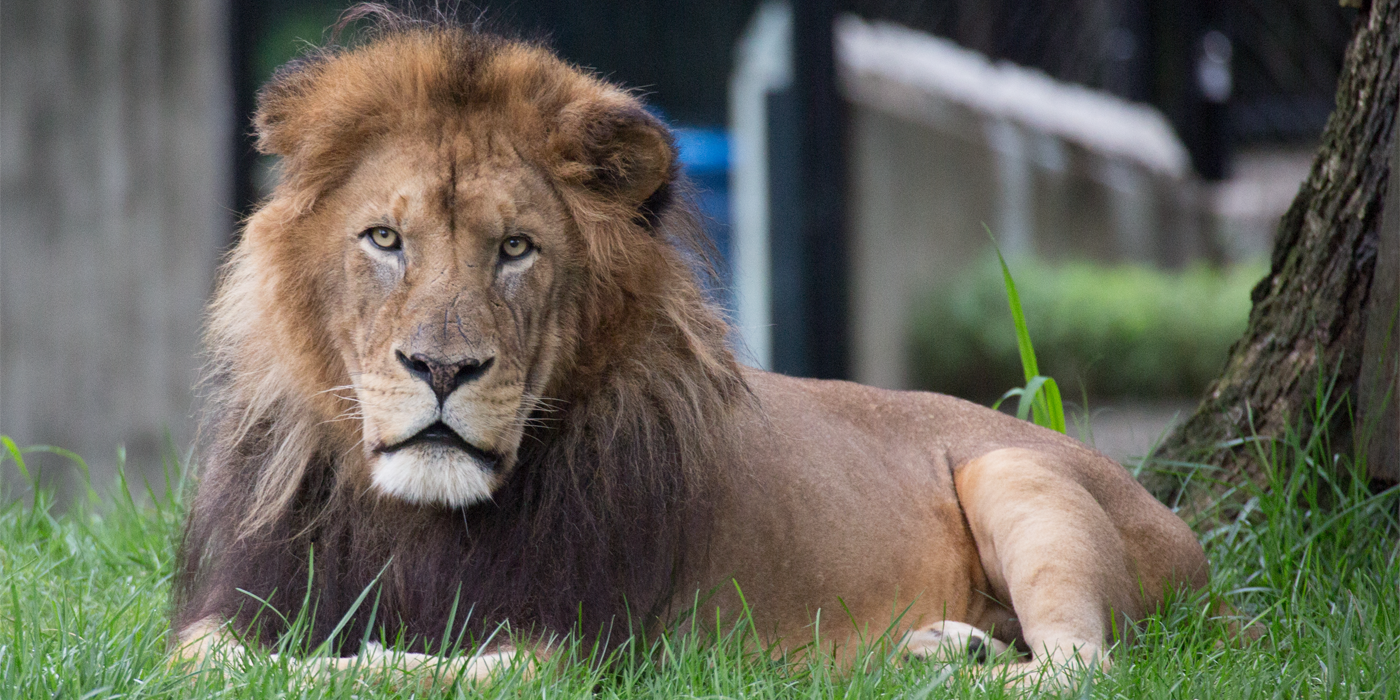
- Ethical Concerns: Lion trekking often involves captive lions raised specifically for tourism purposes, which can contribute to animal welfare issues such as stress, confinement, and unnatural living conditions. Supporting facilities that offer lion trekking perpetuates the captive breeding industry and may not align with ethical principles.
- Safety Risks: Lions are wild animals with unpredictable behavior, and close encounters with captive lions can pose safety risks to both visitors and the animals themselves. Even lions raised in captivity retain their wild instincts and can potentially injure or harm humans.
- Conservation Impact: Supporting facilities that offer lion trekking may not contribute to genuine conservation efforts aimed at protecting wild lion populations and their natural habitats. Instead, it may prioritize commercial tourism over conservation objectives.
- Misleading Claims: Some facilities that offer lion trekking may make misleading claims about their involvement in conservation or rehabilitation efforts. However, the primary focus may be on commercial tourism rather than genuine conservation initiatives.
Given these concerns, it’s important to prioritize ethical and responsible tourism practices that respect the welfare and conservation of wildlife. Instead of participating in lion trekking, consider alternative ways to experience and support lion conservation and welfare, such as visiting reputable wildlife sanctuaries or reserves, supporting conservation organizations, and engaging in responsible wildlife tourism activities that prioritize ethical and sustainable practices.






Leave a Reply
You must be logged in to post a comment.