
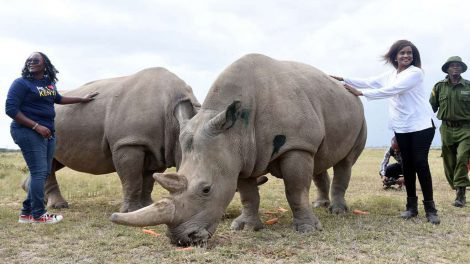
Rhino trekking, also known as rhino tracking or rhino safari, offers a unique and memorable wildlife experience that allows you to observe these magnificent creatures in their natural habitat. Here are some compelling reasons why you might consider going on a rhino trekking adventure:
- Rare and Endangered Species: Rhinos are among the most endangered animals on Earth, with all five species facing serious threats such as habitat loss and poaching for their horns. Participating in rhino trekking gives you the opportunity to see these majestic animals up close and contribute to their conservation by supporting responsible tourism initiatives.
- Once-in-a-Lifetime Experience: Observing rhinos in the wild is a rare and unforgettable experience. Whether you’re tracking the elusive black rhino in Africa or encountering the massive Indian rhinoceros in its native habitat, rhino trekking offers a chance to connect with nature and witness wildlife in its natural environment.
- Educational Opportunity: Rhino trekking provides an educational opportunity to learn about rhino biology, behavior, and conservation efforts. Knowledgeable guides and rangers accompany rhino trekking excursions, sharing insights into rhino ecology, the challenges they face, and the importance of conservation initiatives.
- Contribution to Conservation: By participating in rhino trekking activities offered by reputable tour operators or wildlife reserves, you directly support conservation efforts aimed at protecting rhinos and their habitats. Revenue generated from tourism helps fund anti-poaching patrols, habitat restoration projects, and community-based conservation initiatives.
- Adventure and Exploration: Rhino trekking takes you off the beaten path and into wild and remote areas where rhinos roam freely. Whether you’re tracking rhinos on foot, by vehicle, or on horseback, rhino trekking offers an adventure-filled experience that allows you to explore diverse landscapes and ecosystems.
- Photographic Opportunities: Rhinos make excellent subjects for wildlife photography, with their distinctive appearance and behavior providing unique photo opportunities. Capture stunning images of rhinos grazing, wallowing in mud, or interacting with their environment during your rhino trekking adventure.
- Support Local Communities: Many rhino trekking experiences are organized in collaboration with local communities living near rhino habitats. By participating in these activities, you contribute to sustainable tourism initiatives that provide livelihood opportunities for local residents and promote conservation awareness.
Overall, rhino trekking offers a rare and rewarding opportunity to witness these iconic and endangered animals in their natural habitat while supporting conservation efforts aimed at ensuring their survival for future generations to enjoy.
What are the most interesting facts about the rhino?
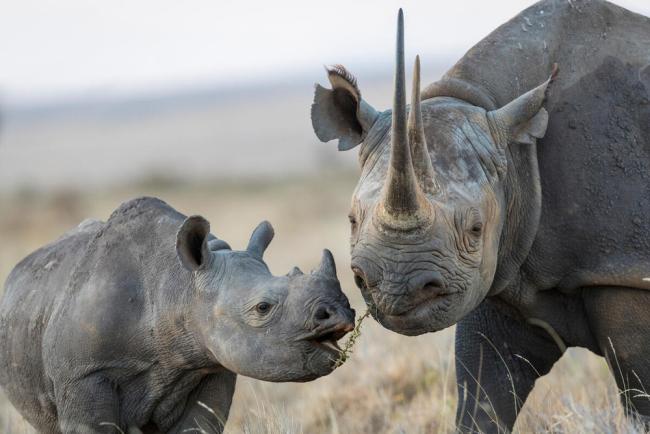
- Ancient Lineage: Rhinos are among the oldest living mammals, with fossil records dating back over 50 million years. They have survived through significant environmental changes and evolutionary pressures.
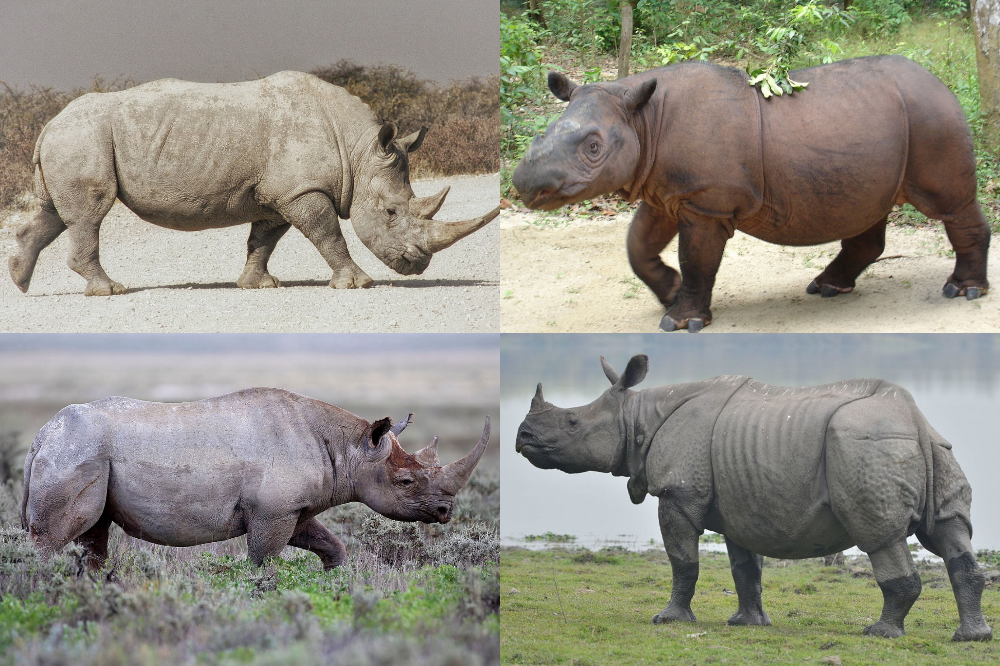
- Large Size: Rhinos are one of the largest land mammals, with some species weighing up to several tons. The white rhinoceros (Ceratotherium simum) is the largest species, followed by the Indian rhinoceros (Rhinoceros unicornis) and the black rhinoceros (Diceros bicornis).
- Distinctive Horns: Rhinos are known for their distinctive horns, which are made of keratin, the same material as human hair and nails. These horns grow continuously throughout the rhino’s life and are used for defense, dominance displays, and digging for water and food.
- Endangered Status: All five species of rhinos are considered endangered or critically endangered due to habitat loss, poaching for their horns, and human-wildlife conflict. Conservation efforts are underway to protect and restore rhino populations in the wild.
- Herbivorous Diet: Rhinos are herbivores, feeding primarily on grasses, leaves, shoots, and fruits. Their diet varies depending on the species and the availability of food in their habitat.
- Solitary or Social Behavior: Rhinos exhibit a range of social behaviors, with some species, like the white rhinoceros, forming loose social groups known as “crashes,” while others, like the black rhinoceros, are more solitary.
- Impressive Speed: Despite their large size, rhinos are surprisingly fast runners, capable of reaching speeds of up to 30 miles per hour (48 kilometers per hour) over short distances. They use their speed to escape predators and defend their territory.
- Keen Sense of Smell and Hearing: Rhinos have a well-developed sense of smell and hearing, which they use to detect potential threats and communicate with other rhinos over long distances.
- Important Ecosystem Role: Rhinos play a crucial role in their ecosystems as grazers and browsers, shaping vegetation structure and dispersing seeds. Their presence helps maintain healthy grasslands and forests, benefiting numerous other plant and animal species.
- Cultural Significance: Rhinos have cultural significance in many societies and cultures around the world, appearing in folklore, art, and symbolism. They are often associated with strength, resilience, and conservation.
These fascinating facts highlight the importance of rhinos in their ecosystems and the urgent need for conservation efforts to protect these iconic and endangered animals from extinction.
What do rhinos eat?
In captivity, such as in wildlife reserves or sanctuaries, rhinos are provided with a carefully managed diet to ensure they receive proper nutrition and meet their dietary needs. The specific feeding regimen for rhinos may vary depending on factors such as the rhino’s species, age, health status, and individual preferences. Here’s how rhinos are typically fed in captivity:
- Grasses and Hay: Grasses are the primary component of a rhino’s diet, as they are natural grazers. Rhinos are typically fed a variety of grasses, including Timothy grass, Bermuda grass, and Orchard grass. High-quality grass hay is also provided to supplement their diet and ensure they receive adequate fiber.
- Browse and Forage: In addition to grasses, rhinos may be offered browse, which includes leaves, twigs, and branches from various trees and shrubs. Providing browse allows rhinos to engage in natural foraging behaviors and adds variety to their diet.
- Commercial Pellets or Supplements: Some rhino facilities may provide commercial pelleted diets or nutritional supplements formulated specifically for rhinos. These pellets are designed to provide essential vitamins, minerals, and nutrients that may be lacking in their natural diet.
- Vegetables and Fruits: Rhinos may also be given a variety of vegetables and fruits as enrichment treats or dietary supplements. Carrots, apples, sweet potatoes, and leafy greens are commonly offered to rhinos as part of their diet.
- Water: Adequate access to fresh, clean water is essential for rhinos’ hydration and overall health. Rhinos are provided with access to water troughs or natural water sources within their enclosures to ensure they stay hydrated.
- Feeding Schedule: Rhinos are typically fed multiple times a day, with their diet divided into several smaller meals to mimic their natural grazing behavior. Feeding times and quantities may be adjusted based on factors such as the rhino’s age, health, and activity level.
- Supervised Feeding: Feeding rhinos in captivity is usually supervised by trained animal care staff or keepers who monitor the rhinos’ eating habits, ensure they are consuming their diet properly, and assess their overall health and well-being.
It’s important for rhinos in captivity to receive a balanced and varied diet that meets their nutritional needs and promotes their health and well-being. Keepers and animal care staff closely monitor the rhinos’ diet and adjust their feeding regimen as needed to ensure they remain healthy and thrive in their captive environment.
What are the chances of see a rhino on a safari
The chances of seeing rhinos depend on several factors, including the location you visit, the habitat, and the conservation efforts in place. Here are some considerations that can affect your likelihood of seeing rhinos:
- Location: Certain countries and wildlife reserves are known for their rhino populations. For example, South Africa, Kenya, Namibia, Zimbabwe, and Nepal are some of the countries where rhino sightings are relatively common. Researching and choosing destinations with established rhino populations increase your chances of seeing them.
- Wildlife Reserves and Sanctuaries: Many rhinos are protected within national parks, wildlife reserves, and sanctuaries where conservation efforts are focused. These protected areas offer habitats conducive to rhino survival and often have trained guides who can help visitors track and locate rhinos.
- Time of Year: The time of year can influence rhino sightings, as vegetation and weather conditions change seasonally. Dry seasons, when vegetation is sparse and animals congregate around water sources, can be ideal for wildlife viewing, including seeing rhinos.
- Time of Day: Rhinos are typically more active during the early morning and late afternoon when temperatures are cooler. Participating in game drives or guided safaris during these times increases your chances of encountering rhinos.
- Conservation Efforts: The success of conservation efforts plays a significant role in rhino sightings. Countries and organizations that actively protect rhinos through anti-poaching measures, habitat restoration, and community engagement are more likely to have thriving rhino populations and opportunities for sightings.
- Guided Tours and Wildlife Experts: Joining guided tours led by experienced wildlife guides and experts increases your chances of seeing rhinos. These guides have local knowledge of rhino habitats and behaviors, enhancing your wildlife viewing experience.
- Patience and Persistence: Wildlife viewing requires patience and persistence, as animals may not always be easily visible. Spending multiple days on safari or exploring different areas within wildlife reserves increases your chances of encountering rhinos.
- Responsible Tourism Practices: Participating in responsible tourism practices supports conservation efforts and minimizes disturbances to wildlife. Adhering to park regulations, staying on designated trails, and respecting wildlife’s space increase the likelihood of successful rhino sightings.
While there are no guarantees of seeing rhinos in the wild, taking these factors into account and being prepared for wildlife encounters enhances your chances of experiencing the thrill of spotting these iconic and endangered animals in their natural habitat.






Leave a Reply
You must be logged in to post a comment.