The amount of spending money you’ll need for a trip to Uganda can vary depending on your travel style, preferences, and planned activities. Here are some factors to consider when budgeting for your trip:
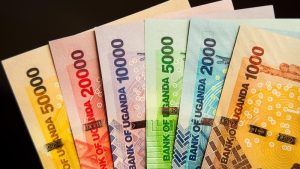
- Accommodation: The cost of accommodation can vary widely depending on the type of lodging you choose. Budget travelers can find hostels or guesthouses for as little as $10-20 per night, while mid-range hotels typically range from $30-100 per night. Luxury accommodations can be significantly more expensive.
- Food and Drinks: Food costs can also vary depending on where you eat and your dining preferences. Street food and local restaurants can offer affordable options, with meals typically costing $3-10 per person. Western-style restaurants and upscale dining establishments will be more expensive. Budget extra for drinks, especially if you plan to enjoy alcoholic beverages.
- Transportation: The cost of transportation within Uganda will depend on your mode of travel. Public transportation, such as buses and minibusses (matatus), is relatively inexpensive, while private taxis or car rentals will be pricier. If you plan to go on organized tours or safaris, budget accordingly for those expenses.
- Activities and Excursions: Uganda offers a wide range of activities and excursions, including gorilla trekking, wildlife safaris, boat tours, and cultural experiences. These activities can vary in cost, with gorilla trekking permits being one of the most significant expenses. Make sure to budget for any tours or activities you’re interested in.
- Miscellaneous Expenses: Don’t forget to budget for miscellaneous expenses such as souvenirs, tips, entrance fees to national parks and attractions, SIM cards, and additional travel insurance if needed.
As a rough estimate, budget travelers can expect to spend around $50-100 per day, while mid-range travelers may spend $100-200 per day. Luxury travelers should budget significantly more, depending on their preferences and desired level of comfort.