
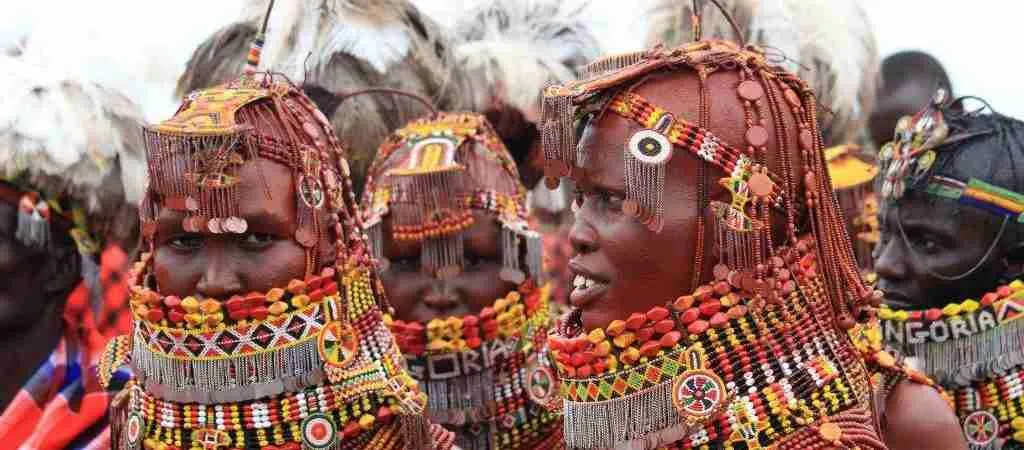
Culture – Do the Karamojong have a specific dance?
Dancing in the Karamoja
The Karamojong people have a rich tradition of dance, which is an integral part of their cultural heritage and social life. Here are some notable dances of the Karamojong kingdom:
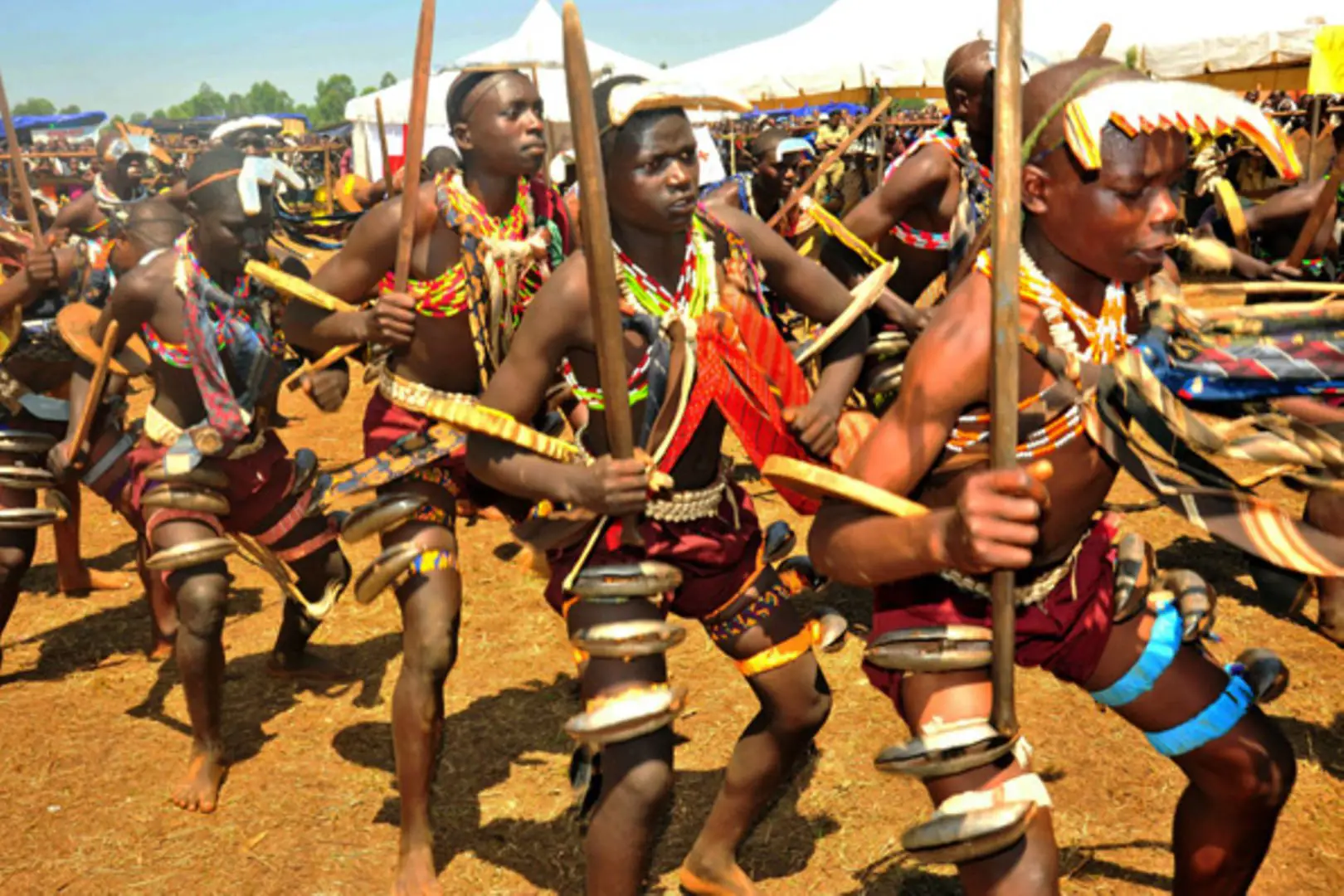
- Edonga Dance: The Edonga dance is one of the most famous traditional dances of the Karamojong people. It is a celebratory dance performed during social gatherings, weddings, and other festive occasions. The dance involves rhythmic movements, foot stamping, and hand clapping, accompanied by singing and chanting. The Edonga dance is known for its energy, vigor, and communal spirit, bringing people together to celebrate joyous occasions.
- Apiti Dance: The Apiti dance is a traditional warrior dance of the Karamojong people. It is performed by men and boys as a demonstration of strength, bravery, and masculinity. The dancers wield spears and shields, performing choreographed movements that mimic battle tactics and warrior skills. The Apiti dance is often accompanied by chanting, drumming, and other percussion instruments, creating a powerful and dramatic atmosphere.
- Ateker Dance: The Ateker dance is a traditional dance performed by women and girls in the Karamojong kingdom. It is characterized by graceful movements, swaying hips, and elegant gestures, reflecting the beauty and grace of Karamojong women. The Ateker dance is often performed during ceremonies, rituals, and cultural events, showcasing the cultural heritage and identity of the Karamojong people.
- Akileng Dance: The Akileng dance is a ceremonial dance performed by young men and boys in the Karamojong kingdom. It is performed during initiation ceremonies, coming-of-age rituals, and other important milestones in the lives of young men. The dance involves intricate footwork, acrobatic movements, and rhythmic drumming, symbolizing the transition from boyhood to manhood.
- Ekaro Dance: The Ekaro dance is a traditional dance performed by women in the Karamojong kingdom. It is a dance of gratitude and celebration, performed to express thanks for blessings, bountiful harvests, and other positive events. The dancers move in synchronized patterns, accompanied by singing, clapping, and drumming, creating a joyful and festive atmosphere.
These dances, along with others, play a vital role in preserving the cultural heritage, traditions, and identity of the Karamojong people. They serve as a means of social expression, community bonding, and cultural celebration, reflecting the values, beliefs, and way of life of Karamoja.
Which food do the Karamojong peoples enjoy?
Food of Karamojong kingdom
The Karamojong people have a traditional diet that reflects their pastoralist lifestyle and the harsh environmental conditions of the northeastern region of Uganda where they reside. Here are some common foods in Karamojong cuisine:
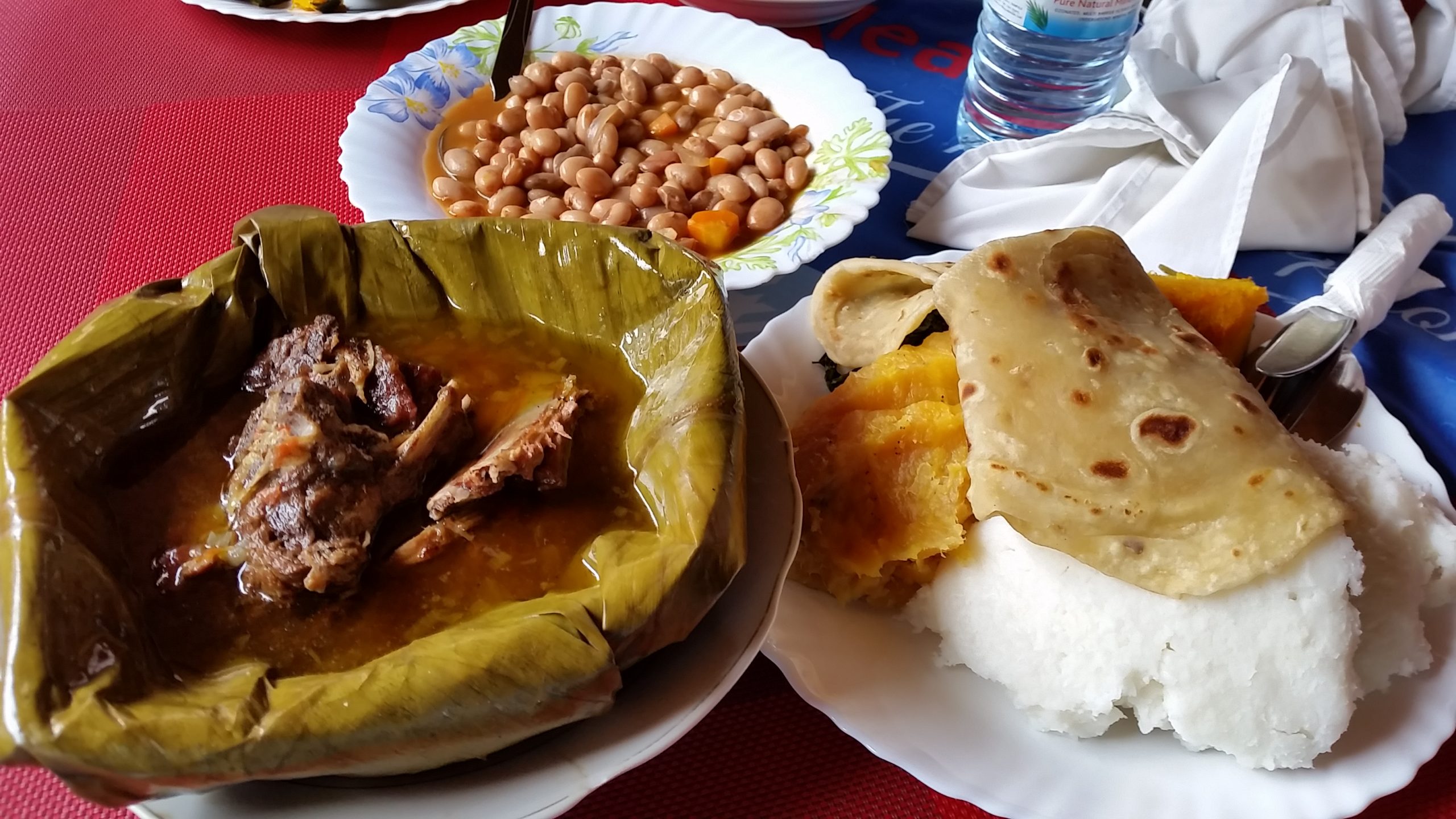
- Sorghum and Millet: Sorghum and millet are staple grains in the Karamojong diet. These grains are drought-resistant and well-suited to the semi-arid climate of the region. They are used to make various dishes such as porridge, bread, and fermented beverages.
- Porridge: Porridge made from sorghum or millet flour is a common breakfast food among the Karamojong. It is usually served hot and may be sweetened with sugar or honey for added flavor.
- Meat: Meat, particularly from cattle, goats, and sheep, is an essential part of the Karamojong diet. It is often consumed during special occasions and celebrations. The Karamojong have traditional methods of preserving meat, such as drying and smoking, to ensure its availability during times of scarcity.
- Milk and Dairy Products: Milk is a primary source of nutrition for the Karamojong people. They consume fresh milk as well as fermented milk products such as yoghurt and cheese. Milk is also used to make traditional beverages such as “kamunyo” (fermented milk) and “amukeke” (sour milk mixed with millet or sorghum flour).
- Wild Foods: The Karamojong supplement their diet with wild foods such as wild fruits, berries, roots, and tubers. These foods are foraged from the surrounding environment and provide additional nutrients and variety to their diet.
- Beans and Legumes: Beans and legumes are occasionally consumed by the Karamojong, although they are not as prevalent in their diet as grains and meat. Beans may be cooked as a stew or mixed with grains to create a nutritious dish.
- Vegetables: While vegetables are not as abundant in the semi-arid Karamoja region, the Karamojong do consume certain leafy greens and vegetables when available. These may include wild greens, pumpkin leaves, and other locally grown vegetables.
- Honey: Honey is harvested from wild beehives in the region and is a prized delicacy among the Karamojong. It is often consumed as a sweetener or used in traditional remedies for its medicinal properties.