
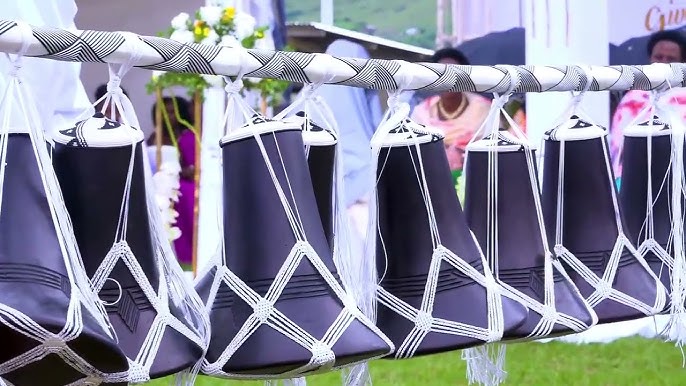
Culture – How do they dance in Ankole
Dance of Ankole kingdom
Ankole Kingdom, located in the southwestern region of Uganda, has several traditional dances that are integral to its cultural heritage. These dances are performed on various occasions, including ceremonies, festivals, and social gatherings. Here are some notable dances of Ankole Kingdom:
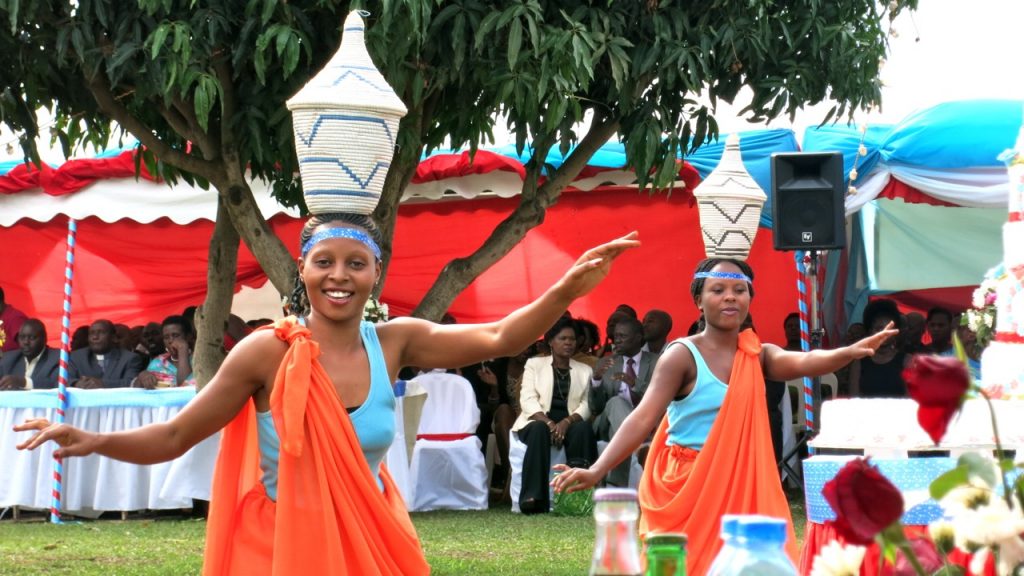
- Runyege: Runyege is a popular traditional dance of Ankole Kingdom, known for its energetic and rhythmic movements. It is typically performed by young men and women, who dance in pairs or groups. Runyege dance is often accompanied by drumming, singing, and hand clapping, creating a lively and festive atmosphere.
- Kitaguriro: Kitaguriro is a traditional dance performed by men in Ankole. It is characterized by its graceful and fluid movements, with dancers swaying their bodies and waving their arms in synchrony. Kitaguriro dance is often accompanied by singing and chanting, with dancers wearing traditional attire adorned with colorful beads and accessories.
- Ekitaguriro: Ekitaguriro is a ceremonial dance performed by women in Ankole. It is a dignified and elegant dance that is often performed during special occasions and cultural events. Ekitaguriro dancers move gracefully, using hand gestures and body movements to convey stories, emotions, and cultural themes.
- Ekitaguriro Dance: Ekitaguriro dance is a traditional dance performed by women in Ankole. It is characterized by its graceful and synchronized movements, with dancers swaying their hips and waving their arms in a rhythmic manner. Ekitaguriro dance is often accompanied by singing and drumming, creating a vibrant and festive atmosphere.
- Ekizino: Ekizino is a traditional dance performed by women in Ankole. It is a celebratory dance that is often performed during weddings, festivals, and other special occasions. Ekizino dancers move gracefully, using intricate footwork and hand movements to express joy and celebration.
These dances, along with others, play a vital role in preserving Ankole Kingdom’s cultural heritage and identity. They serve as a means of social expression, community bonding, and cultural celebration, reflecting the rich traditions and values of the Ankole people.
Which food do they eat in Ankole?
Food for Ankole kingdom
The Ankole region of Uganda, known for its lush landscapes and rich agricultural heritage, has a diverse cuisine that reflects its cultural traditions and natural resources. Here are some traditional foods commonly enjoyed in Ankole Kingdom:
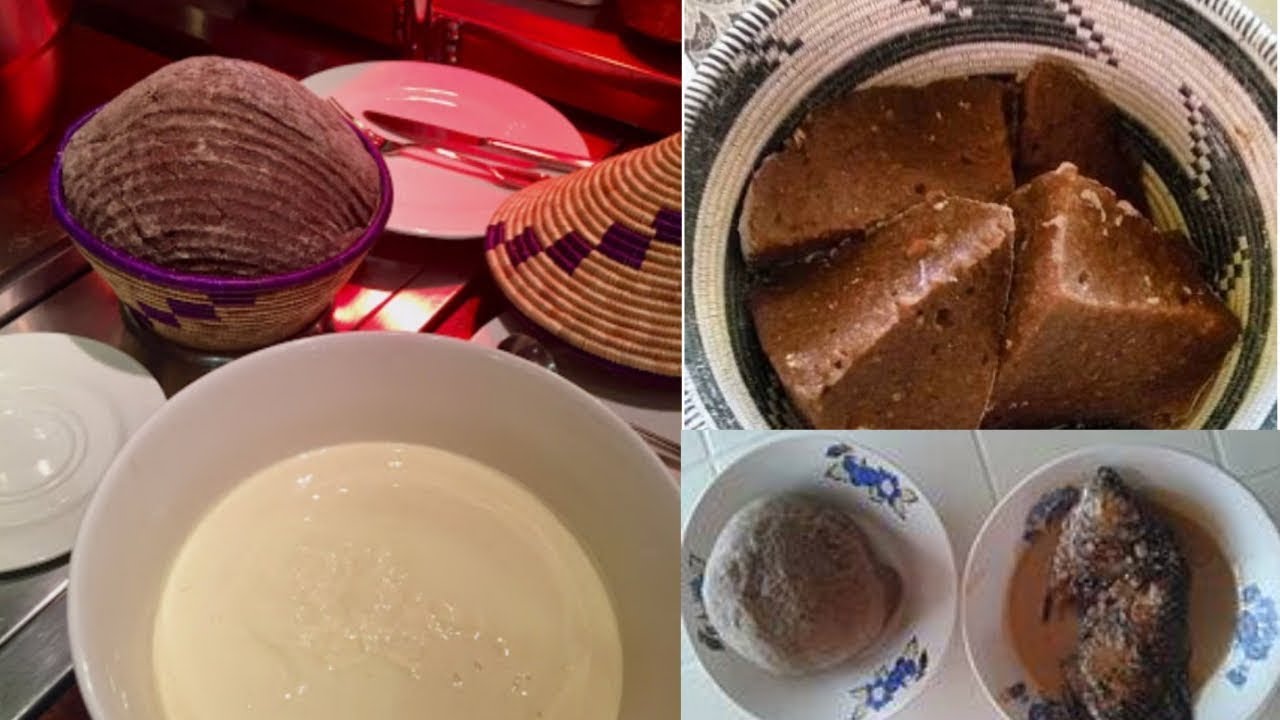
- Eshabwe: Eshabwe is a traditional dish made from ghee (clarified butter) mixed with salt. It is often served as a sauce or condiment alongside other dishes. Eshabwe is highly valued in Ankole culture and is considered a delicacy.
- Akaror: Akaror, also known as millet bread, is a staple food in Ankole. It is made from millet flour mixed with water and cooked on a griddle or in a pan. Akaror is often served with meat or vegetable stews.
- Akarumbi: Akarumbi is a traditional dish made from mashed plantains or bananas. The plantains are boiled, mashed, and mixed with salt and sometimes ghee. Akarumbi is commonly served as a side dish with meat or vegetable stews.
- Amatooke: Amatooke refers to steamed green bananas, which are a staple food in Ankole cuisine. The bananas are peeled, chopped, and steamed until soft. Amatooke is often served with meat or vegetable stews and is a popular dish during special occasions and celebrations.
- Ekitobero: Ekitobero is a traditional vegetable stew made from a variety of leafy greens such as spinach, pumpkin leaves, or amaranth leaves. The greens are cooked with onions, tomatoes, garlic, and spices to create a flavorful and nutritious dish.
- Enyama: Enyama refers to grilled or roasted meat, which is a popular dish in Ankole cuisine. Beef, goat, and chicken are commonly used meats, and they are seasoned with salt, pepper, and other spices before being grilled over an open flame.
- Emonto: Emonto is a traditional dish made from cowpeas or beans cooked with onions, tomatoes, and spices. It is a hearty and nutritious stew often served with rice, millet bread, or boiled plantains.
- Amata: Amata, or fermented milk, is a staple beverage in Ankole culture. It is often served fresh or fermented and is enjoyed as a refreshing drink or used in cooking and food preparation.
These are just a few examples of the diverse and flavorful foods that are part of Ankole Kingdom’s culinary heritage. Ankole cuisine reflects the region’s agricultural abundance, cultural traditions, and culinary ingenuity, making it a vital aspect of Ankole culture and identity.