
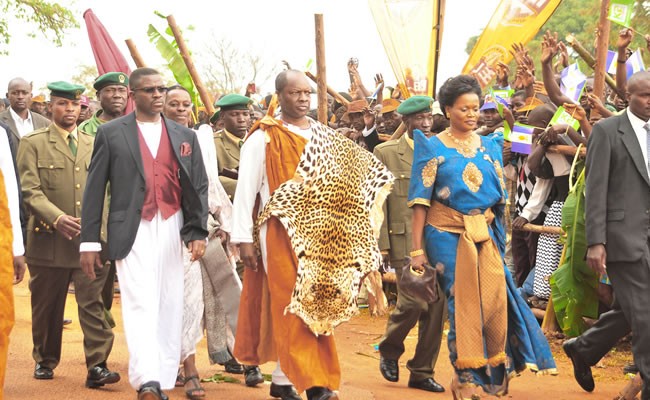
Which foods do they enjoy in Buganda?
Food for Buganda Kingdom
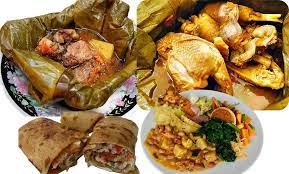
The food of Buganda Kingdom reflects the region’s rich agricultural heritage and culinary traditions. Here are some traditional foods commonly enjoyed in Buganda:
- Matoke: Matoke is a staple food in Buganda and is made from steamed green bananas. The bananas are peeled, chopped, and cooked until soft, often with added spices or other ingredients. Matoke is typically served as a side dish with meat, fish, or groundnut sauce.
- Luwombo: Luwombo is a traditional dish in Buganda made by steaming meat, chicken, or fish with vegetables in banana leaves. The ingredients are seasoned with spices and cooked slowly to infuse flavors. Luwombo is often served on special occasions and is considered a delicacy.
- Groundnut Sauce: Groundnut sauce, also known as ‘Nakati’, is a popular accompaniment to many dishes in Buganda. It is made from ground peanuts (peanut butter) cooked with onions, tomatoes, garlic, and spices. Groundnut sauce is often served with matoke, steamed vegetables, or meat.
- Matooke (Banana) Dishes: Apart from steamed green bananas, ripe bananas are also used in Buganda’s cuisine. They can be mashed and mixed with beans to make ‘Katogo’, or they can be fried to make ‘Boiled and Fried Bananas’ (ekyusa or ebitooke).
- Beans and Cassava: Beans and cassava are common staples in Buganda’s cuisine. Beans are cooked and seasoned with onions, tomatoes, and spices to make a hearty stew often served with steamed cassava or rice.
- Sweet Potato: Sweet potatoes are widely grown in Buganda and are often roasted, boiled, or mashed. They can be enjoyed as a snack or served as part of a meal with groundnut sauce or other accompaniments.
- Fresh Fruits: Buganda’s tropical climate allows for the cultivation of a wide variety of fruits, including mangoes, pineapples, papayas, jackfruits, and passion fruits. Fresh fruits are commonly eaten as snacks or served as desserts.
- Traditional Beverages: Beverages such as ‘Obushera’ (a fermented millet drink) and ‘Tonto’ (a fermented banana beverage) are traditional drinks enjoyed in Buganda. These beverages are often served during cultural ceremonies and celebrations.
Which dances are found in Buganda?
Dance of Buganda Kingdom
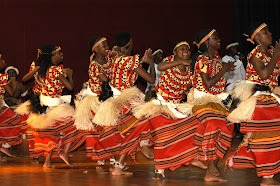
Dance is an integral part of Buganda Kingdom’s cultural expression, with various traditional dances that hold deep significance in the region’s cultural heritage. Here are some of the notable dances of Buganda Kingdom:
- Kiganda Dance: The Kiganda dance is one of the most iconic and widely recognized traditional dances of Buganda. It is a rhythmic and energetic dance performed by both men and women, often accompanied by drumming and singing. The dance involves intricate footwork, hand movements, and body gestures, with dancers wearing traditional attire adorned with colorful beads and accessories.
- Nankasa Dance: Nankasa is a traditional courtship dance performed by young men and women in Buganda. It is a graceful and flirtatious dance that symbolizes courtship, romance, and unity. Dancers move in pairs or groups, exchanging gestures and movements that convey affection and attraction.
- Amagunju Dance: Amagunju is a celebratory dance performed during special occasions and festivals in Buganda. It is characterized by its lively and upbeat rhythm, with dancers moving energetically to the music. Amagunju dance is often accompanied by singing, clapping, and drumming, creating a festive atmosphere.
- Muwogola Dance: Muwogola is a traditional warrior dance of Buganda, performed by men to commemorate bravery, strength, and valor. The dance mimics the movements of warriors in battle, with dancers wielding spears, shields, and other traditional weapons. Muwogola dance is often accompanied by chanting, drumming, and dramatic movements.
- Ekizino Dance: Ekizino is a traditional dance performed by women in Buganda, characterized by its graceful and fluid movements. It is often performed during social gatherings, weddings, and cultural events, showcasing the beauty and elegance of Buganda’s cultural heritage. Ekizino dance is accompanied by singing, hand clapping, and rhythmic drumming.
- Kadodi Dance: Kadodi is a traditional circumcision dance performed by boys as part of their initiation into manhood in Buganda. The dance is performed during the circumcision ceremony, symbolizing the transition from boyhood to manhood. Kadodi dancers wear elaborate costumes and masks, and the dance is accompanied by singing, drumming, and rituals.