
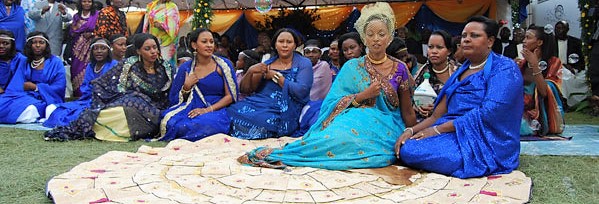
Which food do they eat in the Tooro Kingdom?
Food in the Tooro kingdom
The cuisine of Tooro Kingdom, located in the western region of Uganda, is influenced by its cultural heritage, agricultural practices, and the availability of locally grown ingredients. Here are some common foods enjoyed in Toro:
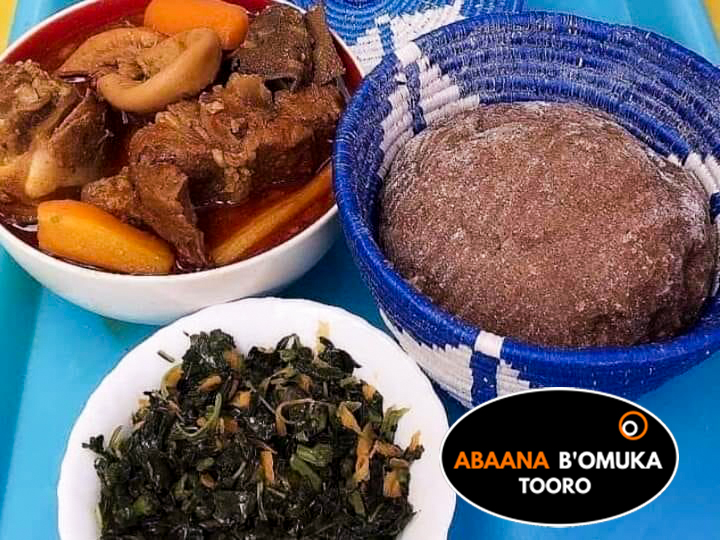
- Matooke: Matooke, or steamed green bananas, is a staple food in Tooro Kingdom as it is in much of Uganda. Matooke is peeled, steamed, and mashed, then served as a starchy accompaniment to meat, beans, or vegetable stews.
- Eshabwe: Eshabwe is a traditional dish made from ghee (clarified butter) mixed with salt. It is often served as a sauce or condiment alongside other dishes, such as matooke or millet bread.
- Akarori: Akarori, also known as millet bread, is a common carbohydrate staple in Toro cuisine. It is made from millet flour mixed with water and cooked on a griddle or in a pan. Akarori is often served with meat or vegetable stews.
- Meat Stews: Meat, particularly beef and goat, is commonly consumed in Toro Kingdom. Meat stews are prepared with various spices, vegetables, and sometimes peanut sauce, resulting in flavorful and hearty dishes.
- Beans and Legumes: Beans and legumes are important sources of protein in Toro cuisine. They are often cooked with tomatoes, onions, and spices to make a delicious stew that can be enjoyed with matooke or millet bread.
- Vegetable Stews: Vegetables such as spinach, collard greens, pumpkin leaves, and amaranth are commonly used in Toro cuisine. These leafy greens are cooked with onions, tomatoes, and spices to create nutritious and flavorful dishes.
- Sweet Potatoes: Sweet potatoes are a popular root vegetable in Toro Kingdom. They are boiled, roasted, or mashed and served as a side dish or snack. Sweet potatoes are also used in some traditional dishes, such as sweet potato stew.
- Fresh Fruits: Toro Kingdom’s tropical climate allows for the cultivation of a wide variety of fruits, including mangoes, pineapples, papayas, oranges, and passion fruits. Fresh fruits are commonly eaten as snacks or served as desserts.
Overall, Toro cuisine is characterized by its simplicity, use of locally sourced ingredients, and emphasis on wholesome, nutritious foods. It reflects the cultural heritage and agricultural practices of the region, providing a taste of Toro’s rich culinary tradition.
Culture – How do they dance in the Tooro Kingdom
Dancing in the Tooro kingdom
Tooro Kingdom, like many other regions in Uganda, has a vibrant tradition of music and dance. Traditional dances in Tooro Kingdom are often performed during cultural ceremonies, celebrations, and social gatherings. Here are some notable dances from Toro Kingdom:
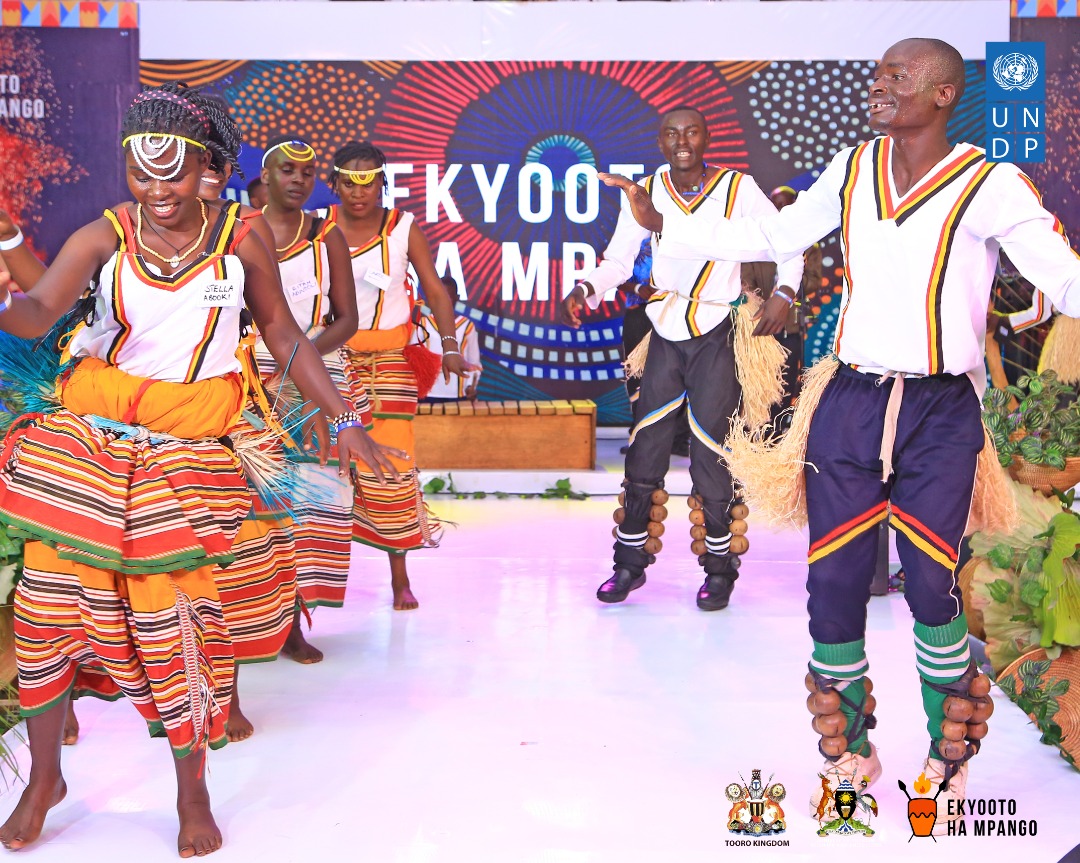
- Ekizino: Ekizino is a traditional dance performed by both men and women in Tooro Kingdom. It is characterized by graceful movements, swaying hips, and synchronized footwork. Ekizino is often performed during weddings, cultural festivals, and other celebratory events.
- Entogoro: Entogoro is a ceremonial dance performed by men in Tooro Kingdom. It is typically performed during important occasions such as coronations, royal ceremonies, and other formal events. Entogoro is known for its energetic movements, intricate footwork, and rhythmic drumming.
- Amagunju: Amagunju is a lively dance performed by both men and women in Toro Kingdom. It is often accompanied by singing, drumming, and hand clapping. Amagunju dance is characterized by its energetic and spirited movements, creating a festive atmosphere.
- Rwakisenta: Rwakisenta is a traditional dance performed by women in Tooro Kingdom. It is a celebratory dance often performed during harvest festivals, weddings, and other joyous occasions. Rwakisenta dance is known for its graceful movements, rhythmic clapping, and vibrant costumes.
- Ekitalo: Ekitalo is a traditional dance performed by men in Toro Kingdom. It is a warrior dance that celebrates bravery, strength, and masculinity. Ekitalo dancers often wear traditional attire and carry spears or other symbolic weapons while performing energetic movements and choreographed routines.
- Ekitaguriro: Ekitaguriro is a ceremonial dance performed by women in Toro Kingdom. It is a dignified and elegant dance often performed during royal events, cultural ceremonies, and other formal occasions. Ekitaguriro dancers move gracefully, using hand gestures and body movements to convey cultural themes and symbolism.
These dances, along with others, play a significant role in preserving Tooro Kingdom’s cultural heritage and identity. They serve as a means of social expression, community bonding, and cultural celebration, reflecting the values, beliefs, and traditions of the Toro people.