About the Batwa Peoples and Culture

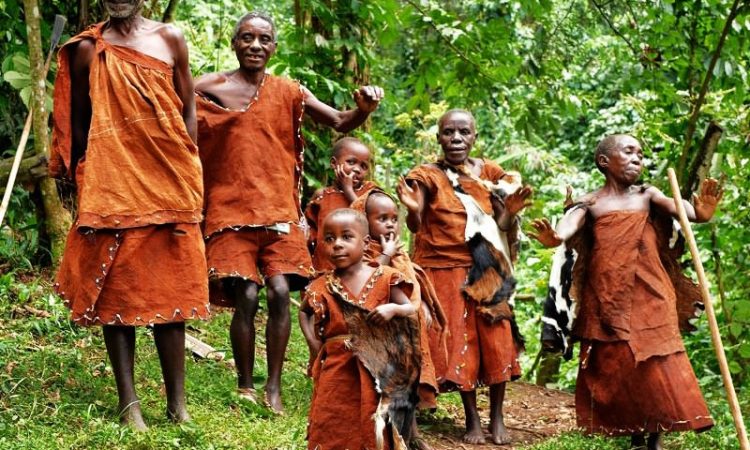
The Batwa, also known as the Twa or Pygmies, are an indigenous ethnic group in East Africa, including Uganda, Rwanda, Burundi, and the Democratic Republic of Congo (DRC). In Uganda, the Batwa are primarily found in the southwestern region, particularly in the districts of Kabale, Kisoro, and Kanungu. Here are some key aspects of Batwa culture:

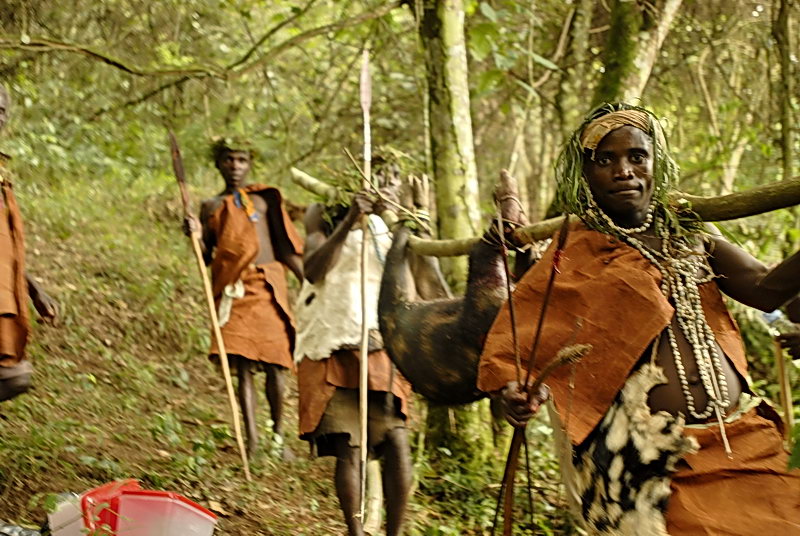
  1. Hunter-Gatherer Lifestyle: Historically, the Batwa were hunter-gatherers, relying on hunting, gathering, and foraging for their subsistence. They lived in forests and relied on the natural resources found in their environment for food, shelter, and medicine.
  2. Traditional Beliefs: The Batwa have traditional beliefs and spirituality that are deeply rooted in their connection to the natural world. They believe in spirits, ancestors, and supernatural forces that inhabit the forests and landscapes where they live. Rituals, ceremonies, and dances are performed to communicate with these spirits and seek their blessings and protection.
  3. Music and Dance: Music and dance are integral parts of Batwa culture, used for storytelling, cultural expression, and social bonding. Traditional Batwa dances involve rhythmic movements, chanting, and drumming, often accompanied by traditional instruments such as bows, harps, and flutes.
  4. Language: The Batwa speak a language known as Kiga or Rukiga, which is a Bantu language spoken in southwestern Uganda. However, due to their marginalized status and historical interactions with neighboring ethnic groups, many Batwa individuals also speak other languages such as Runyankole, Kinyarwanda, or English.
  5. Art and Crafts: The Batwa are skilled artisans known for their craftsmanship in making traditional tools, weapons, and musical instruments from natural materials found in their environment. These include bows and arrows, spears, drums, and baskets woven from plant fibers.
  6. Land and Cultural Rights: The Batwa have faced significant challenges to their traditional way of life due to deforestation, land encroachment, and social marginalization. They have struggled to maintain their cultural identity and access to ancestral lands, leading to advocacy efforts to protect their rights and promote cultural preservation.
  7. Cultural Preservation: Efforts are underway to preserve and promote Batwa culture, including initiatives to document their oral traditions, traditional knowledge, and cultural practices. Cultural centers and community-based organizations have been established to support Batwa communities in preserving their heritage and advocating for their rights.
What food do the Batwa peoples enjoy?

Batwa cuisine is often simple, relying on locally available ingredients and traditional cooking methods. Here are some foods that are commonly enjoyed in Batwa culture:

  1. Forest Game: As hunter-gatherers, the Batwa traditionally hunted wild animals such as antelope, bush pigs, monkeys, and birds for food. These meats were often roasted over an open fire or cooked in stews with wild herbs and spices.
  2. Root Vegetables: Root vegetables such as yams, cassava, and sweet potatoes are staples in Batwa cuisine. They are often boiled, roasted, or mashed and served as a side dish or main course.
  3. Wild Fruits and Berries: The Batwa gather a variety of wild fruits and berries from the forest, including berries, figs, and palm nuts. These fruits are eaten fresh or used in cooking to add flavor to dishes.
  4. Plantains and Bananas: Plantains and bananas are commonly grown in the regions where the Batwa live. They are eaten raw or cooked and are often used to make dishes such as matoke (cooked and mashed green bananas) or steamed plantains.
  5. Beans and Legumes: Beans and legumes such as cowpeas, pigeon peas, and lentils are important sources of protein in Batwa cuisine. They are often cooked in stews with vegetables and spices or used to make bean cakes and fritters.
  6. Wild Greens: The Batwa gather a variety of wild greens and leafy vegetables from the forest, including amaranth, spider plant, and wild spinach. These greens are cooked in stews or eaten raw as salads.
  7. Palm Wine: Palm wine, also known as “malwa,” is a traditional alcoholic beverage made from the sap of palm trees. It is commonly consumed by the Batwa during social gatherings and celebrations.
  8. Honey: Honey is a prized delicacy among the Batwa, who harvest it from wild beehives found in the forest. It is eaten raw or used as a sweetener in cooking and beverages.

Overall, Batwa cuisine is diverse and reflects their reliance on the forest for sustenance. It emphasizes fresh, natural ingredients and simple cooking methods that have been passed down through generations.

How do the Batwa people dance?

The Batwa people have a rich tradition of music and dance, which play important roles in their cultural expression, storytelling, and social gatherings. One of the most notable dances in Batwa culture is the “Kiga Dance” or “Kiga Bwimba,” which is a traditional dance performed by the Batwa and other ethnic groups in southwestern Uganda. Here are some characteristics of the Kiga Dance:
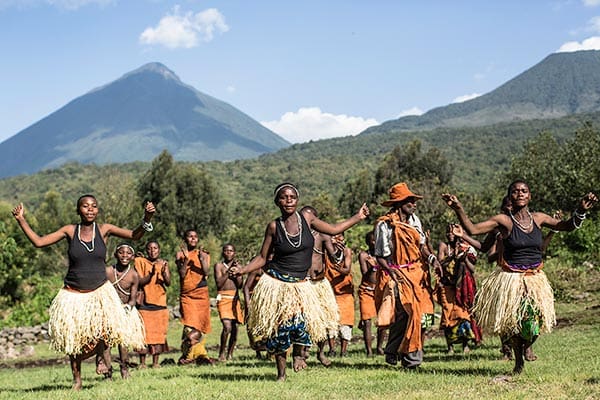
  1. Energetic Movements: The Kiga Dance is characterized by energetic movements, with dancers using their entire bodies to express emotions, tell stories, and celebrate cultural heritage. The dance involves jumping, stomping, and rhythmic footwork, creating a lively and vibrant atmosphere.
  2. Drumming and Percussion: Drumming and percussion instruments play a central role in the Kiga Dance, providing the rhythmic foundation for dancers to move to. Traditional drums, rattles, and other percussion instruments are used to create complex rhythms and melodies that accompany the dance.
  3. Community Participation: The Kiga Dance is often performed as a communal activity, with dancers of all ages and backgrounds coming together to celebrate important occasions, such as weddings, harvest festivals, and cultural events. It serves as a means of social bonding and community cohesion.
  4. Cultural Significance: The Kiga Dance holds deep cultural significance for the Batwa and other ethnic groups in the region, reflecting their traditions, beliefs, and values. It is often performed to honor ancestors, celebrate milestones, and mark important rites of passage.
  5. Colorful Costumes: Dancers may wear colorful traditional attire, including beaded jewelry, woven garments, and other embellishments, to enhance the visual spectacle of the dance. The costumes often feature intricate patterns and designs that symbolize cultural identity and heritage.
  6. Call-and-Response Singing: In addition to drumming and percussion, the Kiga Dance may also involve call-and-response singing, with lead singers chanting verses and the rest of the group responding in chorus. This vocal element adds depth and dimension to the dance performance.

Overall, the Kiga Dance is a dynamic and engaging expression of Batwa culture, showcasing the community’s creativity, resilience, and pride in their cultural heritage. It serves as a reminder of the rich traditions and values that have been passed down through generations, ensuring the preservation and celebration of Batwa identity for years to come.




Cart

Your Cart is Empty

Back To Shop