
Elephants are fascinating creatures with many remarkable traits. Here are some of the most interesting facts about elephants:
- Largest Land Animals: Elephants are the largest land animals on Earth, with adult African elephants standing up to 4 meters (13 feet) tall at the shoulder and weighing as much as 6,000 kilograms (13,000 pounds).
- Highly Intelligent: Elephants are known for their exceptional intelligence, emotional complexity, and problem-solving abilities. They exhibit behaviors such as empathy, self-awareness, and social learning.
- Social Animals: Elephants are highly social animals that live in complex matriarchal societies led by an older, experienced female known as the matriarch. Social bonds within elephant herds are strong, and elephants exhibit caring behaviors toward family members, including mourning their dead.
- Excellent Memory: Elephants have excellent memories and are known to remember distant watering holes, foraging grounds, and other important landmarks. They can also recognize individual elephants they have encountered years or even decades earlier.
- Long Gestation Period: Elephants have one of the longest gestation periods of any mammal, lasting approximately 22 months. This lengthy pregnancy period contributes to the close bond between mother and calf.
- Trunks as Multipurpose Tools: The elephant’s trunk is a remarkable adaptation that serves multiple functions. It is used for breathing, smelling, touching, grasping, feeding, drinking, and communication. Elephants have a high degree of dexterity and control over their trunks, allowing them to perform delicate tasks with precision.
- Herbivorous Diet: Elephants are herbivores, primarily feeding on grasses, leaves, bark, fruits, and roots. An adult elephant can consume hundreds of kilograms of vegetation each day to meet its nutritional needs.
- Keystone Species: Elephants play a crucial role in their ecosystems as keystone species. They shape their habitats through feeding, browsing, and seed dispersal, creating microhabitats that benefit other plant and animal species.
- Long Lifespan: Elephants have relatively long lifespans, with African elephants typically living 60 to 70 years in the wild and Asian elephants living 50 to 60 years. In captivity, elephants may live even longer due to access to healthcare and protection from predators and other threats.
- Threatened by Human Activity: Despite their iconic status, elephants face numerous threats from human activities, including habitat loss, poaching for ivory and meat, human-wildlife conflict, and captivity for tourism and entertainment. Conservation efforts are critical to protecting elephants and ensuring their survival for future generations.
These fascinating facts highlight the unique characteristics and importance of elephants in the natural world, underscoring the need for conservation efforts to protect these magnificent animals and their habitats.
Why should l go to elephant trekking?
While elephant trekking may seem like an exciting activity, it’s essential to consider the ethical implications and potential negative impacts on the well-being of elephants. Here are some reasons why you may want to reconsider participating in elephant trekking:
- Animal Welfare Concerns: Many elephants used for trekking are subjected to cruel training methods, such as “breaking” or “crushing,” which involves separating baby elephants from their mothers and subjecting them to physical and psychological abuse to make them submissive to humans. This can cause long-term physical and emotional harm to the elephants.
- Unnatural Conditions: Elephants in trekking camps are often kept in unnatural and confined environments, where they may be deprived of proper nutrition, social interaction, and opportunities for natural behavior. This can lead to stress, boredom, and health problems for the elephants.
- Safety Risks: Riding elephants can be dangerous for both the elephants and the tourists. Elephants may be forced to carry heavy loads or walk for long distances in harsh conditions, leading to injuries and exhaustion. Tourists may also be at risk of accidents or injuries while riding elephants.
- Conservation Concerns: Supporting elephant trekking can contribute to the demand for captive elephants, incentivizing the capture and exploitation of wild elephants. This can have negative implications for elephant populations in the wild, which are already facing threats such as habitat loss, poaching, and human-wildlife conflict.
- Ethical Alternatives: Instead of participating in elephant trekking, consider alternative ways to experience elephants in their natural habitat or in ethical sanctuaries where elephants are rescued and rehabilitated. Observing elephants from a respectful distance in the wild or volunteering at reputable elephant conservation projects can provide meaningful and responsible interactions with these magnificent animals.
Overall, it’s crucial to prioritize the well-being and conservation of elephants over the desire for tourist entertainment. By choosing responsible and ethical alternatives, you can contribute to the protection of elephants and promote sustainable tourism practices.
What is the best time to go to elephants trekking?
The best time to go elephant trekking in Uganda largely depends on weather conditions and the specific location you plan to visit. Uganda’s climate is relatively stable year-round, but there are two main dry seasons that are generally considered the best times for elephant trekking:
- June to August: This period is during Uganda’s first dry season, characterized by cooler temperatures and lower humidity levels. The weather is generally pleasant, and trekking conditions are favorable, with less rainfall and drier trails.
- December to February: This period falls within Uganda’s second dry season, which also offers optimal weather conditions for elephant trekking. Similar to the June to August period, temperatures are moderate, and rainfall is minimal, making it an ideal time to explore the jungle and search for elephants.
During the dry seasons, vegetation is less dense, and wildlife, including elephants, tends to congregate around water sources, making them easier to spot. However, it’s essential to note that elephant trekking is possible year-round in Uganda, and wildlife sightings are still possible during the rainy seasons.
If you prefer to avoid crowds and are flexible with weather conditions, visiting during the shoulder seasons (March to May and September to November) may offer fewer tourists and lower prices for accommodations and permits. However, be prepared for occasional rain showers and potentially muddier trekking conditions during these months.
Ultimately, the best time to go elephant trekking in Uganda depends on your preferences, availability, and tolerance for weather conditions. Regardless of when you visit, Uganda’s diverse landscapes and rich biodiversity promise unforgettable wildlife experiences.
Is elephant trekking worth the money?
The worth of elephant trekking depends on various factors, including personal values, ethics, and the specific context of the trekking experience. However, it’s important to consider the ethical implications and potential negative impacts associated with elephant trekking before deciding whether it’s worth the money. Here are some considerations to keep in mind:
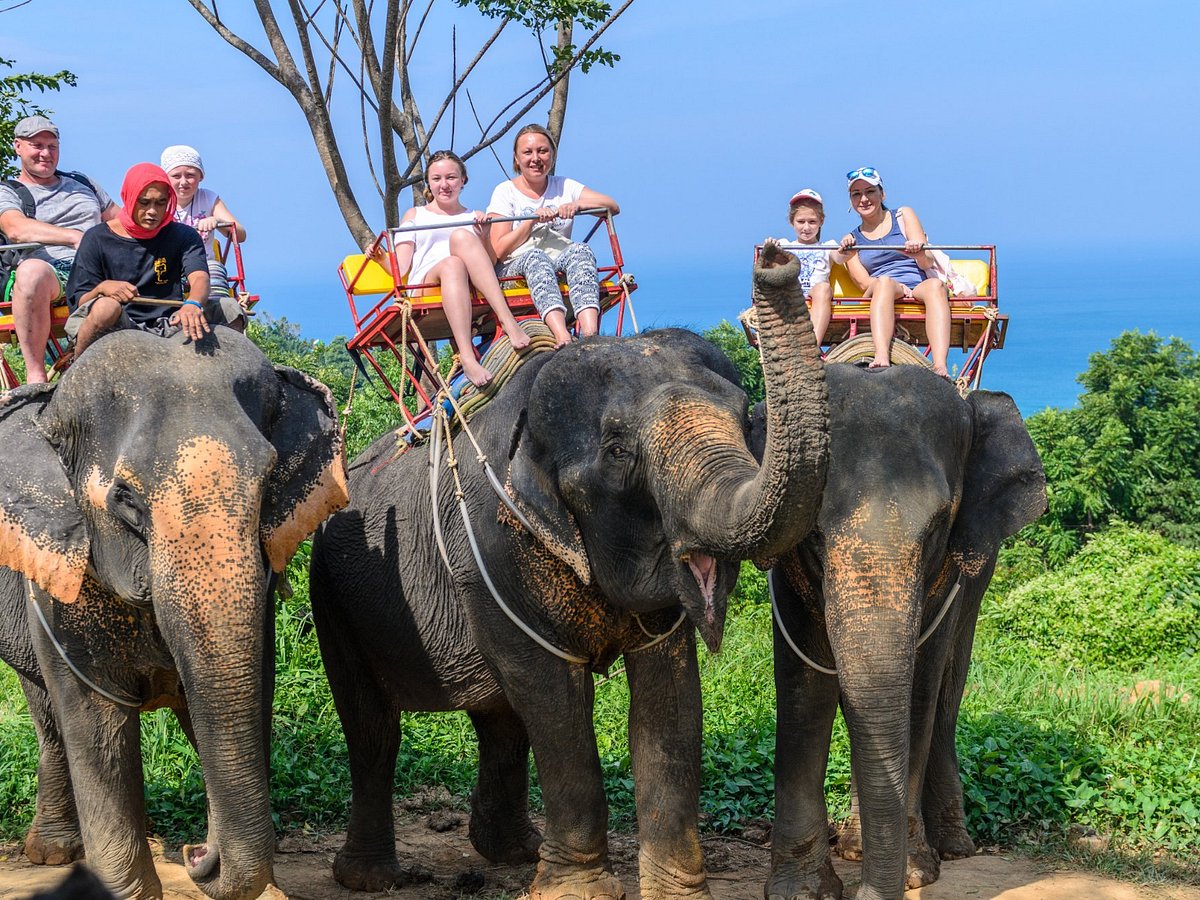
- Animal Welfare: Elephant trekking often involves elephants being subjected to cruel training methods and unnatural living conditions. Many elephants used for trekking are subjected to abusive practices, such as “breaking” or “crushing,” which can cause physical and psychological harm. Supporting elephant trekking may contribute to the exploitation and suffering of these animals.
- Environmental Impact: Elephant trekking can have negative environmental impacts, such as habitat degradation and disruption of natural ecosystems. Trekking activities may involve elephants being taken into sensitive habitats or areas where they can cause damage to vegetation and wildlife.
- Safety Concerns: Riding elephants can be risky for both tourists and the elephants themselves. Elephants may be forced to carry heavy loads or walk for long distances in harsh conditions, leading to injuries and health problems. Tourists may also be at risk of accidents or injuries while riding elephants.
- Ethical Alternatives: Instead of participating in elephant trekking, consider alternative ways to experience elephants in a responsible and ethical manner. Observing elephants from a respectful distance in their natural habitat, visiting reputable elephant sanctuaries that prioritize the welfare of the animals, or participating in ethical wildlife conservation projects can provide meaningful interactions without contributing to animal exploitation.
Ultimately, the decision of whether elephant trekking is worth the money is a personal one that should take into account ethical considerations, environmental impact, and the well-being of the elephants involved. It’s essential to prioritize responsible and ethical tourism practices that promote the conservation and welfare of elephants and other wildlife.
How long do elephants take to get old?
Elephants, like humans, go through various stages of life, including infancy, childhood, adolescence, adulthood, and old age. The lifespan of elephants varies depending on factors such as species, habitat, and individual health. Here’s a general overview of the aging process in elephants:
- Infancy: Elephant calves are born after a gestation period of approximately 22 months. They are highly dependent on their mothers for care and nourishment during the early years of life. Calves typically stay close to their mothers and learn essential skills such as feeding, socializing, and communication.
- Childhood: Elephants experience childhood for several years, during which they continue to learn from their mothers and other members of their herd. They gradually become more independent but still rely on the protection and guidance of older elephants.
- Adolescence: Adolescent elephants undergo significant growth and development, both physically and socially. They may begin to explore their surroundings more independently, establish relationships with other elephants, and develop their roles within the herd.
- Adulthood: Elephants reach maturity at different ages depending on factors such as species and sex. Female elephants typically reach maturity earlier than males, usually around 10 to 15 years of age. Male elephants may take longer to reach maturity, often not until their late teens or early twenties. Adult elephants are fully grown and play important roles within their social groups.
- Old Age: Elephants can live for several decades in the wild and in captivity. The exact lifespan varies between species and individuals, but African elephants generally live longer than Asian elephants. In the wild, African elephants may live 60 to 70 years or more, while Asian elephants typically live 50 to 60 years. In captivity, elephants may live even longer due to access to healthcare and protection from predators and other threats.
As elephants age, they may experience physical changes and health challenges similar to humans, such as reduced mobility, dental issues, and susceptibility to diseases. However, older elephants often continue to play important roles within their herds, providing guidance and wisdom accumulated over a lifetime of experience
What do Elephants eat?
In captivity, the diet of elephants is carefully managed to ensure they receive adequate nutrition to maintain their health and well-being. Here’s how elephants are typically fed in captivity:
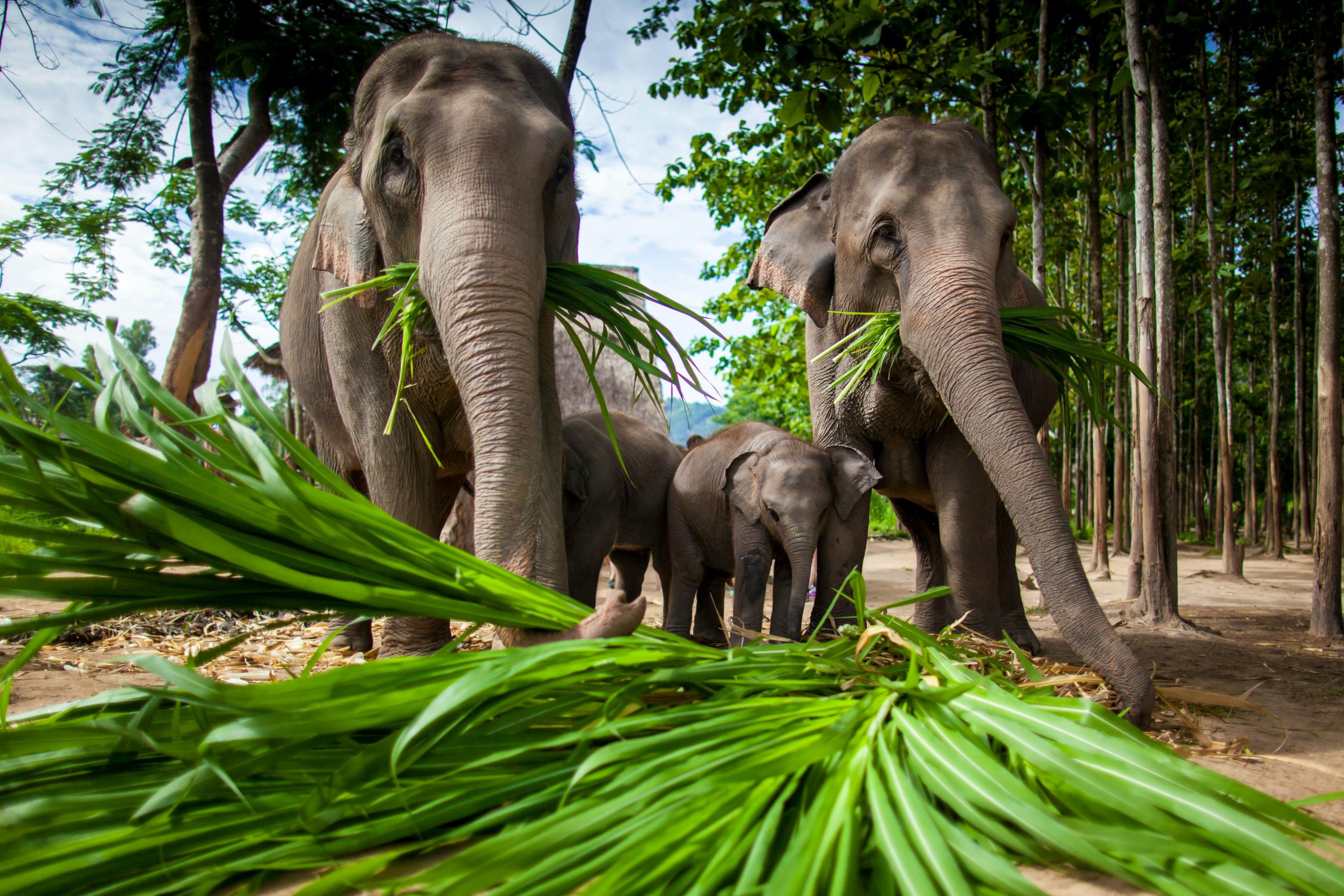
- Hay and Grass: Elephants are herbivores and consume large quantities of grasses and hay. These roughage materials provide essential fiber in their diet, which is crucial for digestion and gut health. High-quality grass and hay are typically provided daily to elephants in captivity.
- Fruits and Vegetables: In addition to grass and hay, elephants are also fed a variety of fruits and vegetables to supplement their diet. This can include items such as apples, bananas, carrots, melons, and leafy greens. These foods provide additional vitamins, minerals, and antioxidants.
- Tree Branches and Browse: Elephants enjoy eating tree branches, leaves, and other browse materials. Providing browse materials mimics their natural foraging behavior and helps satisfy their need to browse and explore. Carefully selected branches from non-toxic trees are provided to elephants for enrichment and variety in their diet.
- Commercial Pellets or Supplements: Some captive elephant facilities may also provide commercial pelleted diets or supplements formulated specifically for elephants. These pellets contain a balanced mix of nutrients, vitamins, and minerals to ensure elephants receive all the essential nutrients they need.
- Water: Elephants require large amounts of water for drinking and bathing. Clean, fresh water is provided to elephants throughout the day to keep them hydrated and healthy.
- Feeding Enrichment: To promote natural behaviors and mental stimulation, captive elephant facilities often provide feeding enrichment activities. This can include scattering food items around the enclosure to encourage foraging, hiding food items in puzzle feeders, or offering food in different forms to encourage manipulation and exploration.
Overall, the diet of captive elephants is carefully planned and monitored by animal care professionals to ensure they receive a balanced and nutritious diet that meets their dietary needs and promotes their health and well-being. Providing a variety of foods and enrichment activities helps keep elephants physically and mentally stimulated in captivity.






Leave a Reply
You must be logged in to post a comment.