
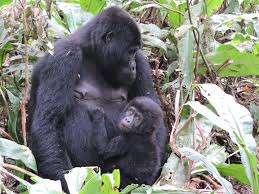
- Gorillas are the largest living primates: Gorillas are the largest living primates, with adult males (silverbacks) typically weighing between 136 to 227 kilograms (300 to 500 pounds) and standing up to 1.8 meters (6 feet) tall when fully upright.
- Gorillas are herbivores: Despite their large size and formidable appearance, gorillas are primarily herbivorous, with a diet consisting mainly of leaves, stems, fruits, and occasionally insects.
- They live in social groups: Gorillas are highly social animals that live in cohesive family groups known as troops or bands. A typical group consists of one dominant male (silverback), several adult females, and their offspring.
- Communication is key: Gorillas communicate using a variety of vocalizations, gestures, and facial expressions. These include grunts, barks, roars, chest-beating displays, and facial expressions such as frowning or smiling.
- They build nests for sleeping: Gorillas construct elaborate nests from branches, leaves, and other vegetation to sleep in each night. These nests are built on the ground or in trees and provide shelter and protection from predators and the elements.
- Gorillas share over 98% of their DNA with humans: Gorillas are our closest living relatives, sharing over 98% of their DNA with humans. This genetic similarity is reflected in many aspects of their behavior, anatomy, and physiology.
- They have complex social structures: Gorilla social groups have complex hierarchies led by a dominant silverback male. The silverback is responsible for protecting the group, maintaining order, and resolving conflicts.
- Gorillas are endangered: All gorilla species are classified as endangered or critically endangered due to habitat loss, poaching, disease, and other threats. Conservation efforts are underway to protect gorillas and their habitats.
- They are gentle giants: Despite their size and strength, gorillas are generally peaceful and non-aggressive animals. They are known for their gentle demeanor and are only aggressive when threatened or provoked.
- Gorillas are highly intelligent: Gorillas are intelligent animals capable of problem-solving, tool use, and learning complex behaviors. They exhibit a wide range of emotions and cognitive abilities, including empathy, self-awareness, and social learning.
These fascinating facts highlight the remarkable nature of gorillas and underscore the importance of protecting these iconic primates and their habitat
Why should i go to gorilla trekking?
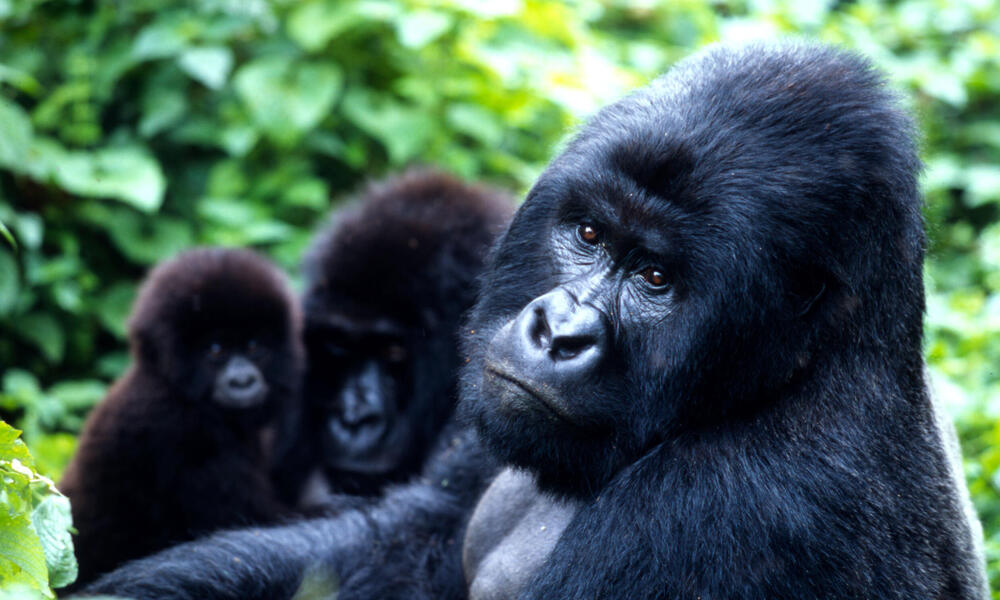
- Gorilla trekking offers a unique and unforgettable experience for several reasons:
- Close Encounter with Endangered Species: Gorillas are endangered animals, and seeing them up close in their natural habitat is a rare and privileged experience. It allows you to witness these majestic creatures in their natural environment and gain a deeper appreciation for their beauty and importance in the ecosystem.
- Adventure and Exploration: Trekking through the dense forests of Africa in search of gorillas is an adventurous and exciting experience. It allows you to explore remote and stunning landscapes while immersing yourself in nature.
- Conservation and Awareness: By participating in gorilla trekking, you contribute directly to the conservation of these endangered species. The revenue generated from gorilla trekking permits is often used for habitat protection, anti-poaching efforts, and community development projects, which are crucial for the long-term survival of gorillas and their habitats.
- Cultural Immersion: Gorilla trekking often involves interacting with local communities near the gorilla habitats. This provides an opportunity to learn about their culture, traditions, and way of life, enriching your overall travel experience.
- Personal Enrichment: The experience of trekking through the wilderness, encountering gorillas in their natural habitat, and witnessing their behavior firsthand can be profoundly moving and enriching. It often leads to a greater understanding of the interconnectedness of all living things and fosters a deeper appreciation for the natural world.
- Overall, gorilla trekking offers a once-in-a-lifetime opportunity to connect with nature, support conservation efforts, and create lasting memories that will stay with you forever.
How long is the gorilla trekking in the jungle?
The duration of a gorilla trekking experience in the jungle can vary depending on several factors, including the location of the gorilla group, the terrain, weather conditions, and the speed of the trekking group. Here’s a general overview of what to expect:
- Pre-Trekking Briefing: Before the trek begins, visitors typically receive a pre-trekking briefing from park rangers or guides. This briefing covers important information about gorilla behavior, trekking guidelines, safety precautions, and what to expect during the trek.
- Trekking to the Gorillas: The trekking duration can vary widely, ranging from 1 to 6 hours or more, depending on the location of the gorilla group. Some groups may be located relatively close to the park entrance, requiring a shorter trek, while others may be deeper in the jungle, necessitating a longer hike.
- Terrain and Difficulty: Gorilla trekking often involves traversing dense forests, steep slopes, and uneven terrain. The difficulty of the trek can vary depending on the specific location and the conditions on the day of the trek. Visitors should be prepared for physically demanding hiking conditions.
- Encountering the Gorillas: Once the gorillas are located, visitors typically spend a designated amount of time with them, usually around 1 hour. During this time, visitors have the opportunity to observe the gorillas, take photographs, and learn from the guides about their behavior and habitat.
- Return Trek: After spending time with the gorillas, visitors trek back to the park entrance or designated meeting point. The return trek can take a similar amount of time as the initial trek or sometimes longer, depending on the route chosen and the pace of the group.
Overall, a gorilla trekking experience typically lasts between 3 to 8 hours, including both the trekking time and the time spent with the gorillas. It’s essential to be prepared for a full day in the jungle, including bringing appropriate clothing, footwear, water, snacks, and any necessary equipment for the trek.
How long do gorillas take to get old?
Gorillas, like humans, go through various stages of life, including infancy, childhood, adolescence, adulthood, and old age. The lifespan of gorillas varies depending on factors such as species, habitat, and individual health. Here’s a general overview of the aging process in gorillas:
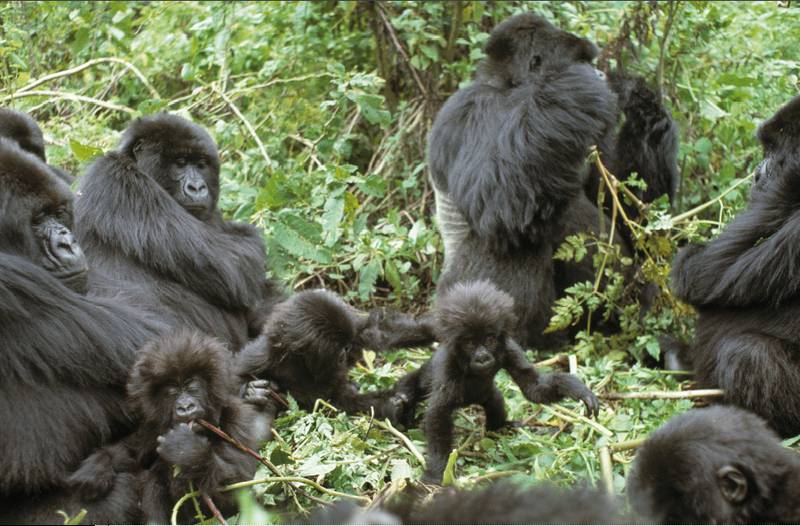
- Infancy: Gorillas are born after a gestation period of about 8.5 months. Newborn gorillas are completely dependent on their mothers for care and nourishment. They typically stay close to their mothers and begin to learn essential skills such as climbing and social behaviors.
- Childhood: Gorilla childhood lasts for several years, during which young gorillas continue to learn from their mothers and other members of their social group. They become more independent over time but still rely on their mothers for protection and guidance.
- Adolescence: Adolescent gorillas experience significant growth and development, both physically and socially. They may begin to challenge the dominant silverback and establish their place within the social hierarchy. This period is crucial for learning important social skills and behaviors.
- Adulthood: Gorillas reach maturity at different ages depending on factors such as sex and environmental conditions. Male gorillas (silverbacks) typically reach maturity between 11 to 13 years of age, while females mature earlier, usually between 6 to 8 years old. Adult gorillas are fully grown and play important roles within their social groups.
- Old Age: Gorillas can live for several decades in the wild and in captivity. The exact lifespan varies between species, with western gorillas typically living 35 to 40 years in the wild, while mountain gorillas can live longer, up to 35 to 50 years. In captivity, gorillas may live even longer due to access to healthcare and protection from predators and other threats.
As gorillas age, they may experience physical changes and health challenges similar to humans, such as reduced mobility, dental issues, and susceptibility to diseases. However, older gorillas often continue to play important roles within their social groups, providing guidance and leadership to younger members.
What is the best time to go to gorilla trekking in Uganda?
- The best time to go gorilla trekking in Uganda is during the dry seasons, which typically occur from June to August and from December to February. During these months, the weather is generally more stable, with lower chances of rainfall, making trekking conditions more favorable.
- Here are some reasons why the dry seasons are considered the best time for gorilla trekking in Uganda:
- Better Accessibility: The dry seasons are characterized by drier and firmer trails, making it easier to navigate through the dense forests where gorillas reside. This improves accessibility to the gorilla habitats and reduces the likelihood of encountering muddy or slippery terrain.
- Clearer Views: With fewer clouds and rainfall, visibility tends to be better during the dry seasons. This enhances the overall trekking experience as it increases the chances of clear views of the surrounding landscapes and wildlife.
- Lower Risk of Disease Transmission: Rainy seasons can increase the risk of disease transmission, both among humans and wildlife. During the dry seasons, there is typically a lower prevalence of diseases, reducing the risk of illness for both tourists and gorillas.
- Comfortable Weather: The dry seasons in Uganda generally have milder temperatures and lower humidity levels compared to the rainy seasons. This can make trekking more comfortable and enjoyable for visitors, as they are less likely to experience extreme heat or humidity.
- While the dry seasons are considered the best time for gorilla trekking in Uganda, it’s essential to note that gorilla trekking is possible year-round. Even during the rainy seasons, gorilla trekking can still be a rewarding experience, and the lush greenery of the forests can add to the scenic beauty of the surroundings. However, visitors should be prepared for wetter conditions and potentially more challenging trekking terrain
Is gorilla trekking worth the money?
- Whether gorilla trekking is worth the money depends on individual preferences, interests, and priorities. Here are some factors to consider:
- Unique Experience: Gorilla trekking offers a truly unique and once-in-a-lifetime experience to see endangered mountain gorillas up close in their natural habitat. For many people, this experience is priceless and worth the investment.
- Conservation Contribution: The fees for gorilla trekking permits contribute directly to conservation efforts aimed at protecting gorillas and their habitats. By purchasing a permit, you are supporting conservation initiatives that are crucial for the survival of these endangered species.
- Adventure and Excitement: Gorilla trekking involves trekking through dense forests, which can be physically demanding but also adventurous and exciting. If you enjoy outdoor activities and wildlife encounters, gorilla trekking can be a fulfilling experience.
- Cultural Immersion: Gorilla trekking often involves interaction with local communities near the gorilla habitats. This provides an opportunity to learn about their culture, traditions, and way of life, adding value to the overall experience.
- Personal Values: For individuals who place a high value on wildlife conservation, eco-tourism, and responsible travel, gorilla trekking may align with their personal values and principles, making it worth the investment.
- However, it’s essential to consider your budget and weigh the cost against other travel experiences or expenses. Additionally, ensuring that you choose a reputable and responsible tour operator or organization is crucial to maximizing the value of your gorilla trekking experience. Ultimately, whether gorilla trekking is worth the money is a subjective decision based on your interests, priorities, and financial circumstances.
What are chances of seeing gorillas in the wild?
The chances of seeing gorillas depend on several factors, primarily the specific location you visit, the availability of gorilla trekking permits, and luck. Here’s a breakdown of some key factors that can influence your chances of seeing gorillas:
- Location: Gorillas are found in specific regions of Africa, primarily in Rwanda, Uganda, and the Democratic Republic of Congo. Each country has designated national parks or reserves where gorilla trekking is conducted. These include Volcanoes National Park in Rwanda, Bwindi Impenetrable National Park and Mgahinga Gorilla National Park in Uganda, and Virunga National Park in the Democratic Republic of Congo.
- Gorilla Trekking Permit Availability: Gorilla trekking permits are required to visit gorillas in their natural habitat, and these permits often have limited availability, especially during peak seasons. It’s essential to book your permits well in advance to secure your spot for a gorilla trekking experience.
- Time of Year: The time of year can affect your chances of seeing gorillas. Dry seasons, typically from June to August and December to February, are considered the best times for gorilla trekking as the weather is more stable, and trekking conditions are generally better. However, gorilla trekking is possible year-round, and you can still have rewarding experiences during the rainy seasons.
- Tour Operator and Guide Experience: Choosing a reputable tour operator and experienced guides can enhance your chances of seeing gorillas. Knowledgeable guides are skilled at tracking gorillas in their natural habitat and can maximize your chances of a successful encounter.
- Physical Fitness and Trekking Ability: Gorilla trekking often involves hiking through dense forests and rugged terrain to reach the gorillas’ habitat. Being physically fit and prepared for the trek can improve your chances of successfully reaching the gorillas.
- Duration of Stay: Allotting sufficient time for your gorilla trekking experience increases your chances of seeing gorillas. Some visitors may need more than one trekking attempt to encounter gorillas, so having extra days in the area can be beneficial.
While there are no guarantees of seeing gorillas in the wild, following these tips and planning your trip carefully can significantly increase your chances of a memorable and successful gorilla trekking experience.






Leave a Reply
You must be logged in to post a comment.